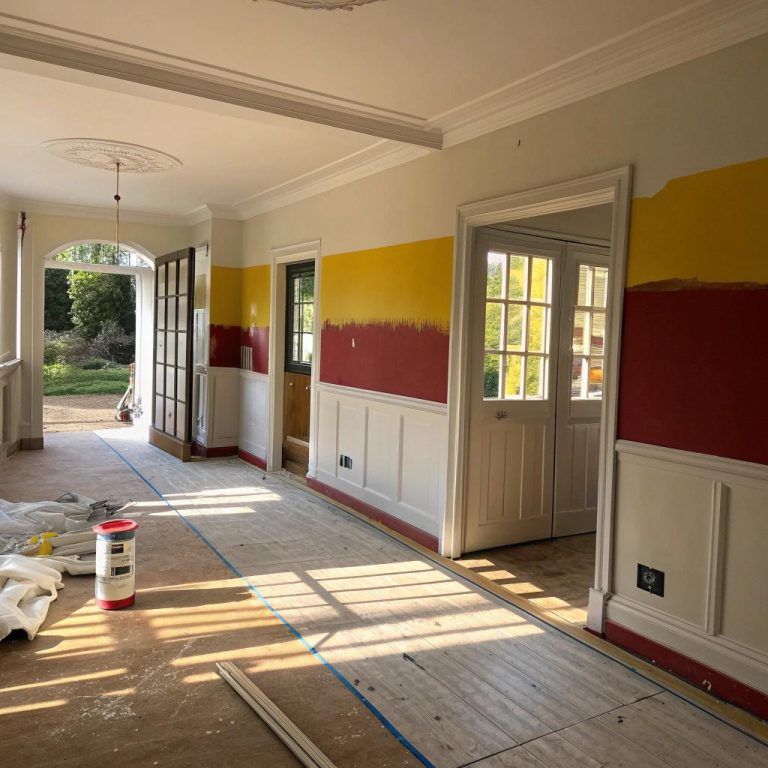
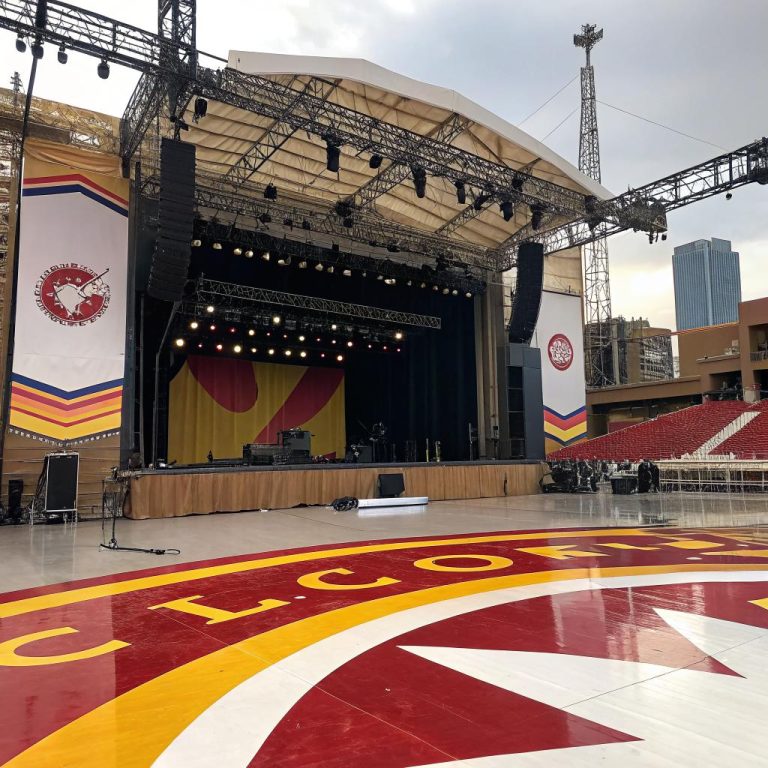
You walk into a small black box theater in Aurora. The house lights are still on. The set is a raw skeleton of flats, platforms, and half-finished props. It smells a bit like sawdust and coffee. Then the painters come in with buckets, brushes, tiny detail liners, and a stack of reference images. A few hours or days later, the same room feels like a crumbling alleyway in 1920s Chicago, or the deck of a starship, or the inside of some strange mind. That is the shift that careful scenic painting can bring, and that is exactly what a team like Dream Painting Aurora CO is hired to create for real stages.
Here is the short version. When you bring in a serious painting crew for a theater project, you are not just getting color on flats. You are getting help with mood, visual storytelling, sightline control, and audience focus. Good painters adjust light and shadow to help the director, support the actors, and hide the ugly parts of a venue. They make plywood read as stone, MDF read as rusted steel, foam read as carved marble. And they do it fast enough and clean enough to survive tech week, the run of the show, and sometimes a rep schedule that would break most living rooms.
It sounds almost obvious. Paint the set, make it pretty. But if you work in set design or immersive theater, you know it is rarely that simple.
Why painting changes the whole theatrical space
When people talk about “space” in theater, they usually mean blocking or architecture. Where actors move. Where doors go. Where the audience sits.
Paint often comes last in that list, which is slightly unfair.
Paint pushes everything toward a single emotional tone. It also forces choices. A director might say they want a “neutral” set. Once the painters start putting down color and texture, there is no neutral anymore. The room chooses a side.
There are a few key shifts that a strong painting crew brings to a theater space:
- They control how surfaces catch light.
- They guide where the audience looks first.
- They give depth to shallow stages.
- They connect practical needs with visual style.
That last part matters more than people like to admit. You have code requirements, exits, vents, sprinklers, old stains on the deck, random columns in the worst place. Paint is often the only cheap tool you have to pull all of it into one visual language.
Paint is one of the lowest cost ways to change what a space feels like, and one of the fastest ways to wreck it if the choices are off.
I have seen gorgeous carpentry killed by flat, chalky, one-layer paint that photographs like cardboard. I have also seen weak or minimal structure come alive once the painters added grime, cracks, shadows, and subtle color shifts. The carpenters were almost angry, in a friendly way, at how much paint could cover for.
How Dream Painting fits into the design process
For people who usually work with internal scenic shops, bringing in an external painting crew can feel strange. Almost like giving away part of your job. But that is not really what is happening.
From draftings and mood boards to actual surfaces
A typical process between a theater team and a professional painting crew might look something like this:
- The set designer shares draftings, color swatches, and reference images.
- The director explains tone: harsh, soft, heightened, grounded, surreal, etc.
- The painters walk the actual space, look at light, distance, and sightlines.
- Together, they agree on color temperature, contrast, and level of detail.
- The painters sample on a test flat or directly on an inconspicuous wall.
- After small tweaks, the painters scale the treatment to the full set.
This is where a company that mostly paints houses can surprise people. A crew used to varied interior walls, trim, and exteriors in Aurora neighborhoods picks up several skills that matter on stage:
- Working on different substrates: wood, drywall, plaster, concrete, metal.
- Handling light shifts: afternoon glare, practical fixtures, colored stage light.
- Masking and clean edges under time pressure.
- Problem solving around existing damage and imperfect surfaces.
Is that the same as traditional scenic craft? Not by itself. Scenic painting has its own methods, like pouncing, scumbling, dry brushing, glazing, spattering. But once a crew has a base in real-world painting and is curious, the jump into more theatrical work is not as large as people sometimes think.
The best results come when the set designer does not treat the painters as wallpaper installers, and the painters do not treat the set as just another room.
Theater is full of last minute changes. A doorway moves. A color that read “warm neutral” in the office reads “orange nightmare” on stage. Working with a flexible painting crew that can adjust quickly is less about talent and more about mindset. Some companies are open to that. Some are not. You can usually tell within the first day of work.
Painting choices that shape audience perception
For people in immersive theater and set design, the interesting question is not “can they paint a straight line” but “how does this painting choice change what the audience feels and where they look.”
Color temperature and emotional tone
Most people think in “blue is cold, red is warm,” and leave it there. That is too simple for stage use.
Color choices interact with costume, light, fog, projections, even the color of the seats. If you paint a set in saturated jewel tones, it might look rich at first, but the costumes could sink into it under certain cues. If you do everything in desaturated gray, you risk a flat, tired feeling for a full run.
Painters who work across many Aurora interiors and exteriors get used to reading natural light and how colors twist during the day. That experience transfers neatly to stage work, where gels, LEDs, and practical warm bulbs all compete.
Here is a quick way to think about the functional side of color on stage:
| Color approach | What it does to the room | Common use in theater |
|---|---|---|
| Warm, low contrast | Makes space feel closer and softer | Living rooms, intimate bars, memory scenes |
| Cool, high contrast | Sharp edges, more distance, slight unease | Hospitals, labs, dystopian settings |
| Monochrome palette | Strong focus on actors and props | Physical theater, dance, concept pieces |
| Complex, textured color | Feels “real” but visually rich | Naturalistic plays, immersive worlds |
A good painter helps you sit in one of these choices without crossing into chaos. They are often the first to see, while rolling on a base color, that the chosen shade will clash hard with the lead costume. Catching that before the second coat saves both money and nerves.
Texture: making flat surfaces behave like worlds
Texture is where theater painting and “normal” painting part ways.
House painters usually aim for flat, even surfaces. Scenic work often needs the opposite. Rough, layered, broken. But not just anywhere. Only where the audience can see it.
A wall that is three meters from the first row might need:
- Base coat in a mid-tone color
- Broken wash in a related but lighter value
- Dark irregular spatter or glaze to suggest grime
- Vertical streaking where water damage might sit
From row ten, that reads as aged stone or old plaster. Up close, during a backstage tour, it is a bit of a mess of streaks, blotches, and odd marks. The trick is scale. You paint for the worst seat that still matters.
Painters who have worked on exterior façades in Aurora already have some of this mindset. Exterior jobs need to read from the street, not just at arm’s length. That habit of stepping back and squinting is perfect for scenic work.
Texture on stage is not about tricking people one meter away. It is about giving their brain just enough information at five or ten meters so it fills in the rest.
In an immersive show, where the audience stands inches from surfaces, you need a different plan. Then the texture can be physical: sand in the paint, carved foam, layered joint compound. In those cases, painters and carpenters need to talk early, because the “paint” phase might also include small carving, sanding, or patching that affects build time.
How painting guides story and focus
You can think of paint as another layer of direction.
Contrast as a spotlight without electricity
High contrast naturally draws the eye. Low contrast makes things recede.
If you need the audience to focus on a door, you can:
- Paint the doorframe slightly lighter or darker than the wall.
- Give it more texture than the surrounding surface.
- Use a color that sits opposite the wall on the color wheel.
Now even under flat work lights, the door “pops.” This helps the cast, too. They never hunt for the exit in their peripheral vision.
The same method can reduce distraction. Fire extinguishers, emergency signs, vents, exit doors. You cannot remove them, and you should not. But you can calm them down:
| Problem element | Simple paint approach | Effect on audience |
|---|---|---|
| Bright vent on wall | Match wall value and paint grille lines softly | Vent reads as part of wall, not a focal point |
| Exit door in stage picture | Paint closer to wall color, break outline with texture | Door is visible if needed, but not first thing people see |
| Ceiling sprinkler heads | Careful matching to ceiling color, no shine | Eyes stay on actors, not on the rigging above |
This sounds small until you sit in a show where a single white vent pulls your eyes for two hours. You notice it, and then you cannot unsee it.
Helping actors and directors with “emotional space” through paint
Directors often talk about energy on stage. Where it rises, where it falls, and how the space holds or resists that.
Paint supports that in ways that are hard to explain in a meeting, but obvious in performance.
Take a two-level set. Upper balcony, lower playing area. If the balcony is painted in lighter, cooler colors, it tends to feel “less safe,” more exposed, maybe more judgmental. If the lower level is warm and rough, it feels close, human, flawed. Suddenly, blocking choices gain subtext the original script did not spell out.
Does that always matter? No. Sometimes you just need a neutral hallway and two functioning doors. But in longer runs, small visual cues help actors stay oriented in the emotional arcs. They remember their scenes not only by lines, but by “the one in the blue corner kitchen” or “the one against the raw concrete.”
Adapting interior and exterior painting know‑how for stage
There is a fair worry here: is a crew that mostly paints houses going to understand the weird needs of a theater show?
Sometimes the answer is no. Sometimes painters push back on direction, or they want every surface flat and perfect in a way that fights the design. That is where your choice of vendor matters.
On the other hand, a company that works regularly around Aurora architecture sees many surface conditions and light environments that set designers often imitate:
- Sun faded siding that looks like a quiet memory.
- Garage doors with subtle rust and dust at the bottom.
- Brick that is half painted, half exposed.
- Old signs “ghosted” on brick after removal.
These are real-world references for scenic looks that audiences find believable. You can hand a painter a photo of a worn storefront from their own city and ask for that logic on a flat. They know that look in their body.
Also, house painting crews tend to be fast. They know how to cut in edges, roll large areas, and sequence drying times so the day is not wasted. In rehearsal crunch, that speed can matter more than rarefied scenic tricks.
The trick for set designers is to treat real-world painting experience as a base, and then layer scenic methods on top through clear direction, samples, and trust.
If you expect a house painter to know scumbling, dry brushing, and cartooned highlight without any guidance, that is your mistake, not theirs. But if they are open to trying new methods and you are clear about what you need, the mix of craft and speed can be very strong.
Working with budget and schedule constraints
Most small and mid-size theaters in Aurora do not have unlimited money or time. Design has to bend around that.
Where paint can save money on materials
You probably know this already, but it is easy to forget when a 3D render looks so clean.
You do not always need:
- Real brick
- Real tile
- Real marble
- Real wood paneling
You often need the feeling of those surfaces under stage light, for a limited distance, at a speed the audience brain can accept.
Here are a few common swaps:
| Desired look | Actual material | Paint strategy |
|---|---|---|
| Brick wall | Flat MDF or plywood | Roll base, grid lines, sponge texture, selective highlights |
| Marble floor | Painted masonite or linoleum | Soft veining, translucent washes, controlled gloss |
| Rusty metal door | Plain metal or wood door | Layered spatter, orange/brown mottling, dark edges |
| Old plaster ceiling | Standard ceiling surface | Blotchy rolling, stain rings, fine crack suggestion |
In these cases, painters can reduce build needs. No one is trucking in real stone. They use paint and maybe a bit of joint compound to mimic depth.
That savings can then go into lighting, sound, or performer pay, which many of us quietly think should be higher.
Scheduling: when to bring painters into the timeline
One mistake I see often is that painters are booked too late. The carpentry runs long, so painting gets squeezed. You end up with one rushed day to cover raw surfaces on a whole set.
Better planning treats paint as a stage-by-stage process:
- Base coats as soon as units are safe to stand.
- Mid-level texture while details are still reachable.
- Final touchups during tech, when light cues reveal misses.
An Aurora-based crew that balances theater work with regular residential jobs might also have flexibility. They can fit short visits between larger outside projects. That only works if the production manager talks clearly about the calendar. If your tech week is a mystery to your painter, the odds of slippage jump.
Immersive theater: painting for proximity and interaction
Immersive and site specific work in Colorado has pushed painters into odd locations: warehouses, offices, schools, outdoor parks, sometimes even in active commercial spaces.
Here, the stakes around paint change.
Durability and touch
Audience members will lean on walls. They will slide their hands along railings, knock on “stone,” sit on platforms, maybe even spill drinks if you allow it.
This means paint plans for immersive sets need to balance three needs:
- Visual effect at close distance
- Physical durability under touch
- Safety with moisture, exits, and cleaning
A painter used to exterior decks and high traffic interiors already thinks about scuff resistance, sheen, and touch up. For immersive theater, you might ask for:
| Surface | Immersive concern | Painter adjustment |
|---|---|---|
| Handrail | Constant skin contact, sweat, oils | Hard-wearing topcoat, slightly lower sheen, easy to clean |
| Interactive door | Grabbing around handle area | Extra sealing in high touch zone, subtle reinforcement of detail |
| Floor path | High foot traffic, tripping risk | Non-slip additives, careful color value for visibility |
You might lose some very delicate glazes this way, because the topcoat flattens them. That is a tradeoff worth thinking about early. Beautiful but fragile paint jobs that cannot handle a weekend of sold-out shows are not actually doing the job.
Wayfinding and narrative through color
Immersive shows often have guests roam different “zones.” Paint can create intuitive wayfinding without signs.
You can:
- Assign each story thread a loose color family.
- Shift saturation and brightness as stakes rise.
- Use repeated motifs, like a certain pattern, across locations.
This is subtle. Many guests will not consciously track that all the “forbidden” rooms lean toward cold blue-green. They will only feel that they are stepping into a related world each time. Painters can help keep these cues consistent across rooms, halls, and portals.
Practical collaboration tips for designers and directors
If you work in set design or immersive theater, you already juggle too many details. Working with a painting company should not add chaos.
Here are a few grounded steps that tend to help:
1. Share your real constraints, not just your dreams
Some designers hand over a gorgeous mood board with European castle references, then quietly mention the budget three weeks later. Painters are not magicians. If they know from the start that you have two days, six gallons, and three main walls, they can propose smarter shortcuts.
2. Ask for a small live sample, not just trust the chip
Paint chips lie under stage light.
If you can, have the crew roll a one meter square of your main color on an actual flat and hit it with your real lighting rig. Adjust from there. This one step has probably saved more shows than any fancy software.
3. Invite painters to a short cue-to-cue or level set
Not for the whole tech process. Just enough to let them see how their work behaves under light bumps and cues.
They might notice:
- That their shadows are too strong under a certain side light.
- That a glaze vanishes in blue states.
- That a glossy area throws a reflection into the audience.
Those are often quick fixes. But they only happen if painters are allowed back into the space after the first coat is done.
Common mistakes when painting theatrical spaces
It might help to look at a few missteps I have seen, where a good painting crew was involved but the end result still missed.
Too much detail where no one can see it
Painters love detail. Many scenic artists want to show skill. So you may end up with hand-rendered brick patterns on a surface forty feet upstage, which reads as mild noise from the house.
Better to move that labor to the doors, columns, and trims that live closer to the audience. Always ask, “who will see this, and for how long.”
Wrong sheen level for stage use
In normal interiors, a mix of eggshell and semi-gloss is common. On stage, high sheen can be a problem. It catches light harshly and reveals flaws you did not expect.
Many sets work better with more matte finishes, selectively bumped up only where you want a reflection, like on a fake metal element. When you talk with painters, say this directly. Do not assume their default will match your needs.
Ignoring edge cases: backstage, crossovers, and audience approach paths
The “show” does not start when the curtain rises. It starts in the lobby, in the hallway to the restrooms, at the entry to the house.
If the main set is carefully painted, but the audience sees chipped, dirty, mismatched paint on the way in, there is a clash.
You do not need to fully theme every corridor. But asking painters to at least refresh key sightlines near the entrance and around the house can make the whole visit feel intentional.
A small Q&A to wrap this up
Q: Does a theater always need a specialized scenic painter, or can a strong local painting company handle it?
A: It depends on the show. For highly detailed period work or painted backdrops, a trained scenic artist is hard to replace. For many contemporary plays, immersive experiences, or environmental upgrades, a crew that is careful, open to direction, and experienced with varied surfaces can do very well. The right answer is often a mix: one scenic lead, plus a skilled local crew for coverage and speed.
Q: What should I ask a painting company during the first meeting about a theater project?
A: Ask about their comfort with unusual finishes (glazes, textures), their experience with commercial or public spaces, and whether they are open to working under stage lighting for at least one visit. You can also ask to see photos of projects with complex color schemes, not just single-color interiors. Their replies will tell you a lot about how they think.
Q: If I only have budget to “do one thing right” with paint on my next production, what should it be?
A: Pick the primary audience focus area and make that surface work perfectly. Often this is the main wall behind the key action, or the central unit that actors keep touching. Put your attention and painter hours there: color, texture, durability. Let secondary areas be simpler. Your audience will remember the place where story and paint meet most strongly, not the corner they see for two seconds.