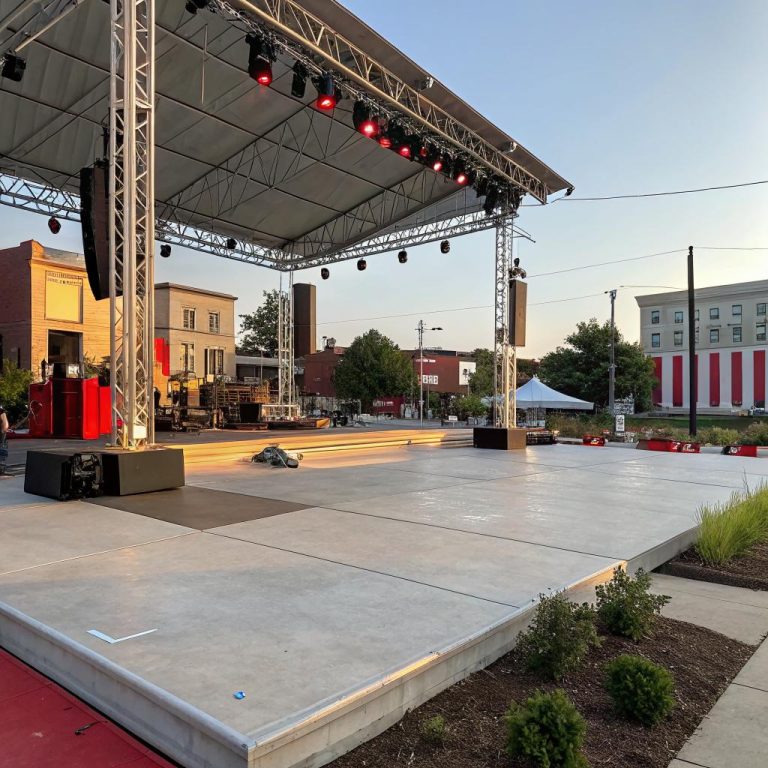
You walk into a small black box theater. The air feels a bit cooler than the street outside. Light spills from a crack above you, like a soft line across the ceiling. Somewhere behind the wall, a quiet drip hits a metal bucket. You are already in the story, and you have not seen a single actor yet. The space itself is performing.
This is what companies like Diamond Roofing and Construction actually shape, even if they rarely get a credit in the program. They do not just keep rain off the stage. They set the conditions for sound, light, temperature, and safety, which all decide how deep an audience can sink into an immersive world. When the building works with the art instead of against it, directors can push farther, designers can take bigger risks, and audiences can stay inside the story without that small voice in the back of the mind saying, “Is that leak part of the show or a problem?” Good roofing and construction make that voice go quiet.
How a Roof Becomes Part of the Story
At first glance, a roof looks like the most boring part of an immersive project. It is not painted. It is not lit. People rarely look up for more than a second.
But if you ask any set designer who has worked in a warehouse with a noisy metal roof during a hard rain, they will probably say something like, “The building is the loudest character on the stage.”
A roof shapes the space in ways that are easy to overlook:
- It controls sound from the outside world.
- It manages temperature and airflow.
- It carries or resists the weight of hanging scenery.
- It guides light from skylights, clerestory windows, or hidden fixtures.
- It protects gear, props, and sometimes very expensive projectors or speakers.
If you are working in immersive theater or art installation, your job is to control attention. You want the audience to feel surrounded, held, maybe even trapped in a different reality for a while. Every draft, every drip, every rumble from a passing truck eats away at that.
The more control you have over the physical shell, the more control you gain over the emotional shell of the audience.
That might sound a bit grand for a discussion about roofing, but if you have ever tried to mix subtle sound design while rain is pounding on a thin roof, you know it is not an abstract concern.
Sound: Quiet Roof, Loud Story
Immersive spaces live or die on sound. Not just volume, but texture and direction. A broken gutter, a vibrating sheet of metal, or uninsulated roofing can ruin very gentle, intimate scenes.
Here are a few real scenarios I have seen or heard about:
- An immersive horror show where thunder outside ruined carefully timed sound cues inside.
- A site-specific piece that needed silence at key moments, but the roof rattled every time the wind changed.
- A delicate soundscape with whispers and subtle Foley that kept getting buried under rain noise.
A construction team that understands this can suggest:
- Roofing materials with better acoustic properties.
- Insulation that softens outside noise.
- Mounting techniques that reduce vibration.
- Roof shapes that prevent “drum head” effects during storms.
You are not turning your venue into a recording studio, but you are giving your sound designer a fighting chance. Suddenly, a scene where an actor simply breathes into a microphone feels like a real moment, not a technical risk.
Light: What Comes From Above
The roof decides what kind of light can enter from above, and how.
Some immersive spaces want total blackout control. Others want to work with natural light over a long durational piece. Some want both at different times of day.
Here is where roofing choices matter:
| Roof Feature | Effect on Immersive Design |
|---|---|
| Skylights | Bring in natural light for “real” environments, but need shading or blackout options for cues. |
| Clerestory windows | Add soft, indirect light that can feel like time passing, or like a distant outside world. |
| Solid insulated roof | Gives high control for projection, darkness, and precise lighting cues. |
| Reflective roofing materials | Reduce ambient heat, which helps keep lighting rigs and black box rooms more stable. |
One director I spoke with loved working in a converted industrial space because of the giant skylights. But they had to tape plastic over them for every show. The roof had never been adapted for performance use. It was a nice space, in theory, but it fought the design at every turn.
A team that understands both roofing and performance could have installed adjustable shades, or created light wells that could be closed off. That would turn a building problem into a storytelling tool. A cloud passing overhead could slowly change a scene, rather than wrecking a lighting cue.
The Structural Frame Behind the Magic
Once you start hanging speakers, projectors, moving set pieces, and people from a ceiling, the roof stops being a vague “cover” and turns into a structural partner.
Every time you hang something above an audience, you are making a promise about safety, even if you never say a word about it.
In immersive work, that promise is not only moral, it is practical. If an audience does not feel safe, they do not let themselves fall into the story.
Load, Rigging, and Safety
Construction teams work with engineers. Set designers often work with riggers and technical directors. When those conversations join up early, a lot of trouble is avoided.
Here is where that matters:
- Weight of hanging elements: truss, moving scenery, aerial rigs.
- Placement of rigging points for clean sightlines.
- Redundant safety systems and clear ratings for every attachment point.
- Access for maintenance, inspection, and last-minute adjustments.
Many immersive projects reuse old warehouses or office buildings. That can be charming, but also a bit of a trap. Previous use might not support the loads that a heavy, immersive set wants.
You might have seen projects where scenic elements are kept small and light, or everything is floor-bound. Sometimes that is an artistic choice. Sometimes it is because no one trusted the roof.
A company like Diamond Roofing and Construction, or any firm that does both roofing and structural work, can check:
- What the current roof can safely carry.
- Where reinforcements are needed.
- How to install rigging points without harming waterproofing or insulation.
That last part matters more than people think. A careless drilled hole can weaken a membrane. Months later, water finds its way through, and suddenly you have a leak exactly where you hung your new projection screen.
Hidden Infrastructure vs Visible Structure
Immersive artists like tension between what is seen and what is hidden. That applies to the building as well.
Some productions want to show the skeleton of the space. Exposed beams, bolts, and truss can feel raw and industrial. Others want the roof to vanish into blackness so that light feels like it comes from nowhere.
Construction choices affect both paths:
- Clean structural lines can double as visual features.
- Neatly routed cabling and safe walkways above the ceiling allow you to hide the mess.
- Well thought out access hatches mean you do not destroy finished scenic work every time there is a repair.
I once watched a tech team cut into a carefully finished ceiling cloud to reach a roof leak. Everyone knew it was a risk, but the hall was booked, and the show had to go on. Good construction planning could have created a hidden access panel, or placed vulnerable points away from critical scenic elements.
Comfort, Climate, and the Length of Immersion
If you have ever sat through a three-hour immersive show in a space that felt too hot, you know that physical comfort directly affects emotional range. People get tired faster. Reactions dull. It is not about luxury, just basic human tolerance.
When you keep the space physically bearable, you gain more time before the audience hits their limit.
Roofing and construction shape:
- Temperature stability.
- Humidity levels.
- Fresh air flow.
- Energy costs, which affect how long you can afford to run a show.
Insulation and Heat Control
Many immersive venues work in cities with real weather. Hot summers, cold winters, unpredictable storms. A roof without proper insulation will swing wildly between too warm and too cold.
This affects:
- Audience comfort.
- Performer stamina.
- Instrument tuning and equipment life.
- Fog and haze behavior in the air.
If you have ever tried to keep a haze cue stable in a space with drafts from above, you know how it kills sightlines. The shape of the light beams shifts every minute. What looked beautiful in tech can become muddy on show night.
Better insulated roofing, and careful sealing around penetrations, reduce those invisible air currents. That does not sound dramatic, but your lighting designer will quietly thank you.
Ventilation Without Breaking the Spell
You need fresh air. That is non-negotiable, especially with large crowds or long running pieces.
The problem is that a lot of HVAC solutions bring noise, visible vents, and sometimes ugly grilles that clash with the world you are building.
Construction teams that think about immersive work can:
- Route ducts in ways that let you hide vents inside scenic elements.
- Select quieter equipment and better vibration isolation.
- Place intakes and exhausts where they do not interfere with sound design.
In some projects, vents were disguised as part of the “architecture” of the story world. A medieval hall with carved wood panels that actually covered supply vents. A sci-fi lab where glowing panels hid returns. All of that only worked because the base construction allowed for careful routing in the ceiling and roof space.
Water, Weather, and The Long Run
Short runs can sometimes ignore deeper building problems. You cover a crack with gaff tape, put buckets behind a curtain, and hope for clear skies on show nights.
For any project that expects to run for months or more, those tricks stop working.
A leak is not just a stain. It is a creeping threat to:
- Electrical systems.
- Rigging integrity.
- Stored props and costumes.
- Audience safety and confidence.
You can try to style a drip as “atmosphere” once or twice. After that, it just feels like neglect.
Drainage, Gutters, and the Edges of the World
A lot of problems start at the edges of the roof rather than the middle. Bad gutters, clogged drains, or poor flashing can send water into walls, over entryways, or into backstage areas.
For immersive spaces that use outdoor paths or transitions, these are not minor issues. A slick step in low light is a real hazard. Sudden water along an “in-world” corridor breaks the illusion and scares people in the wrong way.
Careful construction planning can:
- Shape water paths away from audience routes.
- Protect exterior scenic facades from splashback.
- Allow access for regular cleaning and inspection between show days.
This is the unglamorous part of world building. No one applauds for a well detailed scupper. But they also do not fall, or slip, or test your insurance policy.
Material Choices and Longevity
When a project is new and exciting, the building often feels secondary. Later, when you are in year two and money is tight, that changes.
Roofing materials affect:
- How often you need repairs.
- How well the building handles snow, wind, heat, or heavy rain.
- How many times you can safely modify or patch around penetrations.
Imagine you plan to change your immersive design every season. New rigging points, different ventilation paths, maybe new skylight treatments. You want a roofing system that can take some degree of change without failure.
This is something you can talk through with a construction firm early, instead of treating the roof as a fixed limit. Ask what kinds of modifications it can handle, and what would require deeper work.
Converting Non-Theater Buildings Into Immersive Spaces
Many of the most interesting immersive projects happen in spaces that were never meant for performance: warehouses, old factories, offices, schools, even parking structures.
These places have character. They also hide surprises.
Reusing an existing building for immersive work is less about bending it to your will and more about learning what it can comfortably do.
Roofing and construction teams are usually the first to really “read” a building in this way. They can tell you where the stress points are, where water has tried to make its own path, and where previous owners took shortcuts.
Site Walks With Both Art and Building In Mind
In an ideal world, the director, set designer, and construction lead walk the space together at the start. They look up, not just around.
They might ask:
- Can we darken this skylight completely if we want a night scene at noon?
- Is this ceiling height safe for a performer to climb or hang from?
- Can we run power and data above the ceiling, or do we need floor paths?
- Where does water go when it rains, and does that cross any audience path?
- Is the existing insulation enough for a packed crowd in summer?
If you skip this step, you tend to find problems in tech week, when options are limited and budgets are locked.
I think this is where some artists underestimate the role of construction. They see it as the “boring” side that comes after design, instead of a partner that can expand what is realistic from the start.
Blending Old Bones With New Layers
There is also an artistic question here. How much of the original building do you keep visible?
A strong roof and frame give you the freedom to:
- Expose old beams as part of the story, because you trust them.
- Add new hanging elements without clutter.
- Create false ceilings where you need intimacy, and open height where you want awe.
Some of the best spaces I have seen mix both. A narrow corridor with a low, finished ceiling leads to a large hall where the original truss is bare and lit like sculpture. That reveal works only if both the new and old structures are sound.
Collaboration Between Builders and Designers
Here is where things get a bit messy and human. Artists and builders often speak different languages. One thinks in images and beats. The other thinks in loads, spans, and warranties.
It is easy to fall into a pattern where:
- The artistic team makes big demands.
- The construction team says “no” a lot, or quietly scales them back.
Both sides get frustrated. The work suffers.
What changes the dynamic is curiosity on both ends.
What Designers Can Ask For
You do not need to become an engineer, but you can ask better questions, such as:
- “If my lighting grid needs to carry this much weight, what do you need from me to design that safely?”
- “We want a rain effect in one room but cannot risk real leaks elsewhere. Is there a way to build a ‘sacrificial’ ceiling under the main roof?”
- “How far can we go with sound isolation here before the cost gets unreasonable?”
These are more concrete than “make it feel like a cave.” They give the construction team a chance to suggest real options.
What Builders Can Share
On the other side, construction firms that want to work with immersive projects can:
- Explain load limits and codes in plain language.
- Show drawings of the roof structure so designers can plan around real points.
- Flag potential noise or leak issues early, before money is sunk into scenic work.
- Offer small mockups of finishes so designers can see how light hits them.
I have seen situations where one simple shared drawing, showing actual beam locations, prevented weeks of rework. The lighting designer stopped guessing. The rigging team stopped punching holes in the wrong places. Everyone slept a bit better.
Safety, Liability, and Audience Trust
There is a quiet tension in immersive work. You want the audience to feel some risk. Maybe an actor gets close. Maybe the path is narrow or dark. Maybe the floor shifts under their feet.
At the same time, nothing truly bad can happen.
Roofing and structural work sit right on that line. If they fail, the consequences are not artistic. They are physical.
The more wild your show wants to feel, the more solid the unseen structure has to be.
Codes, Permits, and the Boring Documents
No one gets into immersive theater because they love building codes. Yet those codes shape:
- How many people can safely be in a room.
- How fast they can exit in an emergency.
- What sort of loads can hang above them.
- What types of roofing materials are allowed in certain zones.
Construction firms spend a lot of time on this. When you bring them in early, they can help you tweak designs so you still achieve your mood, but within safe limits.
This might mean:
- Raising a false ceiling a bit higher to meet sprinkler clearance.
- Choosing different fabrics to avoid fire code issues.
- Adding exit lights in ways that can be masked or stylized.
Is it annoying? Sometimes, yes. But the alternative is an unsafe space or a show that gets shut down.
Practical Tips For Artists Working With Roofing and Construction
To make this less abstract, here are some plain steps you can take if you are planning an immersive project in a new or adapted building.
1. Look Up First, Not Last
On your first site visit, make yourself look at:
- The type of roof structure: beams, truss, or flat slabs.
- Any stains or patches that suggest leaks.
- Existing rigging, ducts, and conduits.
- Noise from above, if you can visit in bad weather.
If you see problems, do not assume they are “just part of the space.” Ask whether they can be fixed, and what that would cost.
2. Share a Basic Technical Rider Early
Before detailed design, put together a simple document that states:
- Expected audience size and layout.
- Major hanging elements and rough weights.
- Desired control over light and sound (full blackout, partial, etc.).
- Any weather or water effects you want indoors.
Give this to the construction team. It helps them target their advice.
3. Decide What Can Be Permanent vs Temporary
Some elements can live in the building for years. Others change each production.
Talk with your builders about:
- Permanent rigging points that all shows can share.
- Upgrade paths for insulation or acoustic treatment over time.
- Protective layers that keep the main roof safe from temporary installations.
Thinking this way turns a one-off project into an investment in a long term immersive venue.
4. Budget For The Invisible Work
It is tempting to put money into what the audience will see directly: props, costumes, projections. But if you do that and ignore roofing and structural needs, you will pay for it later in repairs, lost shows, or limits on what you can safely attempt.
Try to hold back a portion of the budget for:
- Roof inspection and repairs.
- Added insulation or acoustic treatment in critical rooms.
- Upgrades to drainage or weatherproofing near entrances.
It does not feel as satisfying as a new effect, but it keeps your project alive longer.
A Short Q&A To Bring It Back To Earth
Q: I am a set designer, not a builder. Do I really need to care about roofing details?
Yes, at least a bit. You do not need to know every technical term, but understanding how the roof affects sound, light, and safety gives you more realistic boundaries. It can save you from designing a beautiful element that turns out to be impossible or risky to hang.
Q: How early should I bring a construction or roofing team into my immersive project?
As early as you can. Ideally when you are first choosing a venue or sketching major spaces. If you wait until you are already building sets, you will probably end up redesigning on the fly, which costs more and looks worse.
Q: Our budget is small. Is it still worth talking to professionals like Diamond Roofing and Construction?
If the building is doing more than a very short run, yes. A basic inspection and some targeted repairs can prevent larger failures later. You can focus on the most critical issues, like leaks near power, weak points in the roof under heavy rigs, or insulation in the most occupied rooms.
Q: How does all this affect the actual audience experience, in plain terms?
They may not notice the roof directly. But they will notice clear sound, stable light, comfortable temperature, and a feeling of safety even when the show is intense. All of that rests, quite literally, on the construction above their heads.
Q: Is it possible to push immersion too far and forget that the building has limits?
Yes, and it happens more often than people admit. If your design constantly fights leaks, noise, or structural limits, the show becomes a struggle every night. A better approach is to work with the building, shaped by smart roofing and construction choices, so that the space itself supports your story instead of arguing with it.