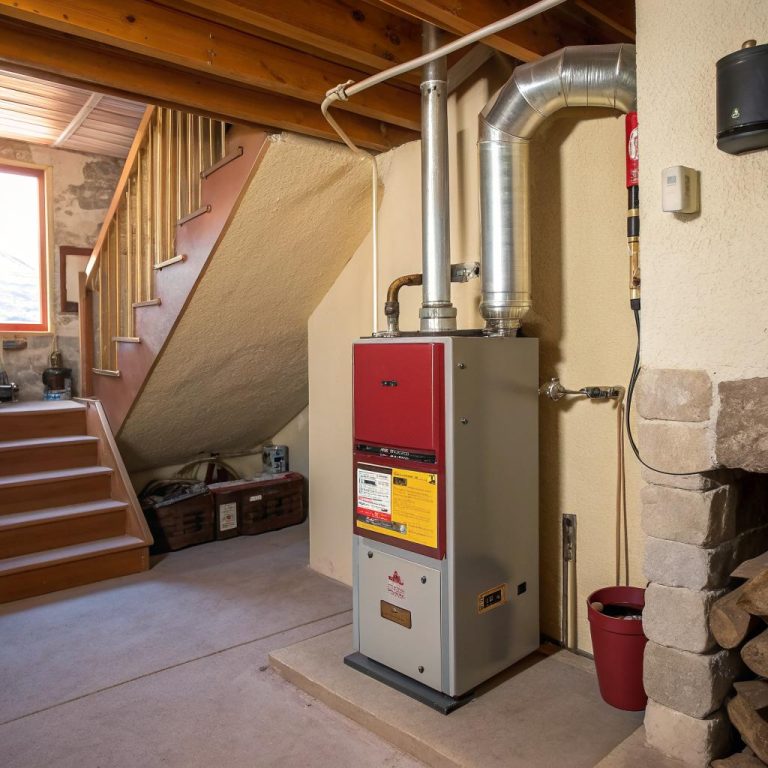
The first thing to know is this: if you are building an immersive set in Dallas and you want to keep rodents out, you need to seal gaps, store every crumb of food and craft material in hard containers, keep the space dry, and bring in a local professional when you see fresh droppings or hear scratching in walls. Rodents are attracted to clutter, darkness, and easy food. Your job is to make your set feel like a stage to the audience, but like a dead end to a mouse. A good starting point is to walk your build space with a flashlight at floor level, follow every cable run, air gap, and prop wall, then pair that walk with a proper Dallas rodent control inspection so you are not guessing.
Then you can start thinking about the art again.
I know that sounds a bit blunt, but rodents do not care about your lighting plot, your story, or your tech schedule. They care about open cereal boxes, foam scraps, dripping AC units, and hollow platforms that no one has looked inside for three weeks.
Once you accept that, prevention becomes part of the design process, not a last minute fix after a rehearsal where someone screams because a mouse ran behind the bar set.
Why immersive sets in Dallas attract rodents so easily
Immersive spaces are strange from a building perspective. You often create:
– False walls
– Hidden crawl spaces
– Platforms and risers with hollow interiors
– Low light, sometimes fog
– Food and drink service layered on top of it all
For an audience, that is magic. For a rat, that is housing, cover, and a buffet.
Dallas adds a few local factors that do not help:
– Long warm seasons mean rodents breed for more of the year.
– Sudden storms and heat waves drive them indoors.
– Older commercial buildings in arts districts often have gaps in foundations, rooflines, and loading docks.
So if you are building a temporary experience inside a permanent building, you might be stepping into a problem that was already there.
If you move into a warehouse or theater and see old droppings, chewed cardboard, or odd stains along the walls, assume there is an active rodent path and plan for it from day one.
A lot of set designers ignore this at first. Then a month later, someone opens a scenic cabinet and finds shredded costume pieces used as nesting material. It is not fun, and it is not something you want to explain to a producer two days before opening.
Designing with rodent control in mind from the very first sketch
If you are like most designers, you think in layers: aesthetic layer, audience path, actor path, tech access. Rodent control should be another layer.
Here are some design choices that can save you headaches later.
Choose materials that are harder to chew and easier to clean
Foam, soft wood, fabric drapes, and cardboard are easy to work with. They are also easy to chew. You do not have to stop using them, but you can be strategic.
| Material | Rodent Risk | Better Practice for Immersive Sets |
|---|---|---|
| Cardboard flats / boxes | Very high | Use plywood for structure, keep cardboard as a surface layer only |
| Loose fabric drapes | High | Hem and weight the bottom, keep off the ground, avoid hidden puddles of fabric |
| Open-cell foam (set rocks, decor) | High | Seal with hard coat or paint and avoid ground-level cavities |
| Plywood platforms | Medium | Close off sides, caulk seams, add access hatches for inspection |
| Metal framing / conduit | Low | Good for structure, but still watch where it penetrates walls or floors |
You do not need to go full industrial. Just think: if a mouse wanted to live inside this thing, how easy would that be?
If the answer is “very easy,” change one detail.
Design out hiding places you cannot inspect
Hidden spaces are part of immersive work. Secret doors, false walls, actor passageways. Those are fine. The problem is hidden spaces that no one ever enters.
For example:
– A hollow raised bar platform with a small cutout in the back that no one can reach.
– A massive scenic fireplace that is sealed in front but open to a gap in the wall behind it.
– A maze built out of flats with a three inch gap along the perimeter that touches a loading dock door.
You can still use those ideas. Just add simple access points.
Any enclosed scenic volume larger than a shoebox should either be fully sealed or built with a way for a human to look inside it without tearing the set apart.
Add small, hidden doors behind baseboards. Add lift-off panels that blend into the set dressing. Bring a flashlight and actually use those access points once a week, not just when something smells off.
Balance audience immersion with practical cleaning
This is where some designers push back. They want a floor scattered with paper, fake leaves, shredded fabric, or straw. It feels more alive. It also hides droppings and makes sweeping slow.
If you really need debris, pick versions that are:
– Large enough that you can rake or sweep them quickly
– Durable, so they do not turn into dust or small bits
– Easy to remove for a weekly deep clean
Or bake the mess into the set in a more controlled way. Glue pieces down. Create the illusion of clutter, not actual random clutter.
You probably know this instinctively from safety talks. Rodents are just a less obvious safety issue, but they live in the same category as tripping hazards and fire exits. That is one reason I think it is worth arguing for “cleanable chaos” during concept meetings, even if it slightly limits the perfect Instagram shot.
Closing the actual entry points in a Dallas building
No matter how clever your set is, it sits inside a real building. That building has gaps. Some are obvious, some are tiny.
Before big builds, walk the shell with someone from maintenance, or at least someone who has been there longer than you.
Common entry points you can fix early
- Gaps around exterior doors, especially loading docks and emergency exits
- Holes around pipe penetrations in walls and floors
- Cracks at the junction of walls and slab
- Open vents without screens
- Broken or missing door sweeps
For many of these, tape and cardboard are tempting because they are fast. They are also temporary and easy to chew. Instead, push for:
– Steel wool or copper mesh stuffed into holes, sealed with caulk
– Door sweeps with thick rubber that touches the floor
– Weatherstripping around doors that actually compresses when closed
– Hardware cloth (wire mesh) over vent openings
Rodents can flatten themselves more than people expect. A rat can use a gap the size of a quarter. A mouse can use something smaller than a dime. So those “hairline” gaps under the black drape at your rear exit might be a highway.
Be honest about when you need a pro
This is where many productions go wrong. They wait until droppings show up backstage. Then they throw traps at the problem, maybe some bait, and pretend it is handled.
A short, focused visit from a local rodent control company during pre-production can be cheaper than replacing chewed cable runs later.
Tell them:
– How long the run will last
– Where food and drink will be served
– Which areas will be dark and mostly unstaffed
– What you can and cannot change in the building
Then fold their advice into your plan. You do not have to accept everything they suggest. For example, if someone wants to put visible snap traps in a public path, you can say no and push them to find hidden placements.
But ignoring them completely tends to cost more in the long run.
Food, props, and audience behavior: the real mess
A set without food can still get rodents, but the risk goes up fast when you add:
– Bar service
– Snack stations
– Food props
– Long rehearsal days with crew eating everywhere
This is often the most frustrating part, because it involves people habits, not just wood and paint.
Contain food without killing the vibe
Most audiences do not want to feel like they are in a sterile lab. At the same time, open popcorn bins and sticky cups on the floor make you a target.
You can keep a relaxed feel and still be strict behind the scenes.
- Serve food that creates fewer crumbs when possible. Bite sized items over loose chips or popcorn.
- Use drinkware that is harder to tip in dark spaces, like weighted cups or shorter glasses.
- Place discreet bus stations in the path, so guests have natural spots to drop empties.
- Train front of house staff to scan the floor during every reset and pick up dropped food fast.
For backstage and crew, you probably need rules in writing. No open food storage in dressing rooms. No stashing half eaten meals inside props “just for a minute”. That minute turns into a week very easily during tech.
Prop food vs real food
If your story uses food as a prop, you have a choice.
Real food has appeal. Guests smell it, they see actors handling it, it feels authentic. But real bread, fruit, meat, and sweets are high risk. Rodents can smell them from far away.
Consider using:
– Fake versions except in very controlled hero moments
– Real food that is cleared within minutes after a scene
– Sealed containers that still read correctly to the audience
You can keep one or two high impact real food beats and fake the rest. That might feel like a compromise, but it protects your budget and your crew from cleaning moldy leftovers hidden in a prop cupboard.
Cleaning routines that actually fit a show schedule
People like to say “we will clean every night” and then it is 2 AM, everyone is exhausted, and someone just does a quick sweep of the front-of-house path.
You are better off designing a realistic routine that you can keep.
Break cleaning into daily, weekly, and deep cycles
Think of your cleaning plan like a cue sheet: daily resets, weekly checks, and occasional full stops when you look in all the weird corners.
Here is one way to structure it:
| Frequency | Tasks | Who usually does it |
|---|---|---|
| Daily after shows | Pick up all cups and plates, sweep audience paths, wipe bar surfaces, empty all trash in and around the set | FOH crew, stage management, bar staff |
| Twice weekly | Inspect under platforms (where possible), behind large scenic units, around AC units and drains | Stage management with a small crew |
| Weekly | Check traps and monitoring stations, record any droppings or chew marks, adjust cleaning focus areas | Producer, building maintenance, or pest control partner |
| Monthly | Full sweep of storage rooms, prop racks, costume storage, and any retired set pieces kept on site | Production team |
Make this schedule visible. Put it on the callboard. Treat it as seriously as fight calls or mic checks. If someone misses a cleaning task, deal with it, do not just hope that “tomorrow” will be better.
It sounds boring, but most effective rodent control is boring. People want a clever trick. The trick is consistency.
Traps, bait, and humane choices for creative spaces
This is a tricky area, especially in art spaces where people care about ethics, animals, and safety. There is no single right answer, but there are some clear bad ones.
A quick overview of common options
| Method | Pros | Cons | Best use |
|---|---|---|---|
| Snap traps | Fast, cheap, easy to monitor | Can be distressing to see, risk to guests if exposed | Hidden backstage, inside walls, or in locked utility areas |
| Live traps | Non lethal if checked often | Require daily attention, relocation rules vary, can be stressful for the animal | Short term use in low volume spaces, not big infestations |
| Glue boards | Cheap | Generally considered inhumane, can catch non target animals | Better avoided in most immersive set contexts |
| Rodenticide bait | Works across nesting areas, less labor day to day | Risk to pets and wildlife, odor from dead rodents in walls, regulatory issues | Only with a licensed company, in locked stations away from guests |
If you have a light problem, exclusion and snap traps in controlled spots can handle it. If you have a big problem, you probably need a licensed company and a broader plan.
It is easy to fall into all or nothing thinking here. Either “we will humanely move every mouse” or “we will just poison everything”. Reality in a busy Dallas arts building tends to sit somewhere in the middle.
Placement matters more than trap type
Whatever tool you pick, it works better if you understand rodent behavior.
They like:
– Edges and walls more than open spaces
– Dark, quiet areas
– Routes that connect food, water, and nesting spots
So place traps and monitoring points:
– Along walls, behind set pieces, never in the middle of a traffic path
– Near consistent food sources, like behind the bar, not in random spots
– Inside tamper resistant boxes if there is any risk of guest or child access
If you do not know where to place them, look for droppings, greasy rub marks along walls, or places where dust is disturbed. Those are clues.
Special challenges in immersive theater layouts
A classic proscenium theater has clear zones: house, stage, backstage. Immersive work often blends all of that. You might have:
– Audience paths behind flats
– Actors moving through narrow alleys
– Tech gear hidden inside scenic elements
– Rooms that are supposed to feel abandoned or decayed
Those are great for story, but they complicate cleaning and monitoring.
Hidden tech and cabling
Rodents chew cables. It is one of the main ways people notice a problem. Light flickers, sound drops, then someone finds a neat little chew mark.
If you are hiding tech, try to:
- Keep cables inside conduit or cable covers in low, dark areas
- Avoid running critical lines through completely inaccessible voids
- Bundle cables cleanly rather than creating tangles that are hard to inspect
If you know a certain wall will never be opened during the run, do not run your only primary data line through it. Put the backup on a safer route.
Rooms that “feel” like rodent nests
Some sets are supposed to feel damp, old, or abandoned. That is fine as a mood, but try not to reproduce conditions that help rodents thrive.
You can cheat:
– Use visual mold effects without creating real dampness.
– Use false clutter that is glued or screwed down instead of loose piles.
– Add hidden airflow so air does not stagnate behind scenic units.
The trick is to think like both a director and a building manager. You ask: does this feel abandoned to the audience, but still function like a controlled space to us?
Working with producers, building owners, and pest companies
You might be “just” the set designer, but your choices affect everyone. You are allowed to speak up.
What to ask a building owner before you sign on
If you can, ask some blunt questions early.
Has this building had rodent issues in the past year, and what was done about them?
If the answer is vague, that is a flag. Ask to see service reports or talk to whoever handles maintenance. Look for:
– Patterns around certain seasons
– Known entry points that were only patched temporarily
– Any legal or health violations related to pests
You do not need to become a detective, but you should not walk in blind either. If a space had a serious rat problem during a previous production, you should know before you build six miles of cable and a dozen enclosed rooms.
Dealing with budget pushback
People often cut rodent control from budgets because it feels invisible. No one notices if it works. Everyone notices when it fails, but that comes later.
If you meet resistance, frame it in simple, practical terms:
– The cost of one chewed lighting cable might match a basic inspection fee.
– A health violation can shut down bar sales for a night, which hits revenue.
– Rebuilding water damaged or contaminated scenic units is not cheap.
You do not have to fear monger. Just compare specific costs. Producers generally understand that math once they see it written down.
Signs of trouble you should not ignore
Sometimes people talk themselves out of what they see.
“I think that is just dirt.”
“Maybe that sound is the pipes.”
Sometimes it is the pipes. Sometimes it is not.
Here are things you should take seriously:
- Droppings in the same area more than once
- Soft rustling or scratching in walls at night when the space is quiet
- Food items moved or shredded without clear explanation
- Cables with neat, angled chew marks
- Strong, weird odors in enclosed scenic pockets
If you notice any of these patterns, pause and check. Bring someone with you. Use a mask and gloves if you are cleaning droppings or nests, because rodent waste can carry disease.
I know some teams hate dealing with this and try to push it to “facilities” or “the building”. But during an immersive run, your team is often the one closest to the problem. Your eye might catch something before a landlord ever sees it.
End of run: strike, storage, and not bringing rodents to your next show
The last week of a run can be chaotic. Everyone thinks about the next project, not the current mess. That is exactly when rodents can catch a break.
Strike with future you in mind
When you tear down:
- Empty and clean every cabinet, box, and storage trunk before it goes into long term storage.
- Throw out soft goods that are stained, chewed, or hard to clean instead of packing them “for later”.
- Label any set pieces that had rodent problems so you know next time.
People sometimes move infested set pieces into storage, then pull them out for a new show months later along with hidden droppings and nests. It feels wasteful to throw away materials, but moving a problem around is worse.
Questions designers often ask about rodents on immersive sets
Can I ever really keep rodents out of an old Dallas building?
You probably cannot achieve zero risk, especially in older structures. But you can reduce the chance of problems and the impact when something does slip through.
Sealing obvious gaps, controlling food, building inspectable sets, and having a plan with a rodent control company gives you margin. The goal is not perfection. The goal is that rodents never interrupt a show, damage critical tech, or create a health issue for your audience or crew.
Is it my job as a designer to care about this, or the building manager’s job?
It is both, which can be annoying. The building manager controls the shell. You control how that shell is used, filled, and maintained for months.
If you create a maze of uncleanable, food filled, unventilated spaces, you increase the building’s risk. If you design cleanable, sealable, inspectable sets, you reduce it. So your choices matter.
You are allowed to push for help and resources. But I would not assume someone else will catch every issue for you.
What is one practical change I can make on my next immersive project?
If you only change one thing, build access points into every large scenic unit from the start. Hidden doors, lift panels, anything that lets you look inside.
That single habit:
– Helps you inspect for rodents
– Helps with cable and hardware fixes
– Helps with safety checks
Once you can actually see inside your own creations, adjusting storage, cleaning, and trap placement becomes far simpler.
And if you do that, plus pay attention to food and sealing gaps, there is a good chance your next audience will leave talking about your story and your design, not about the mouse they saw sprint across the scene.