The theater is almost empty when the house lights come up. Programs abandoned on seats, a faint trace of fog still hanging in the air, set pieces frozen in their last position like sleepers caught mid-dream. You can see where the light has burned into the paint, where tape marks peek out from under the edges of scenery. This is the moment most people leave. It is also the moment when patrons quietly step forward and say: “What happens next?”
You become a donor for the arts by choosing one simple thing: you decide that the experience you just had on stage, in a gallery, in a rehearsal room, should not be rare. You give money, time, or resources directly to the artists and organizations that move you, and you do it with intention. You look past the gloss of opening night and ask what they truly need: rent for the rehearsal space, a safe budget for the set build, fair pay for the crew, a bit of stability so risk and experimentation are possible. Patronage is not charity. It is collaboration. You are helping build the next world that appears when the lights go down.
What Patronage Really Means Today
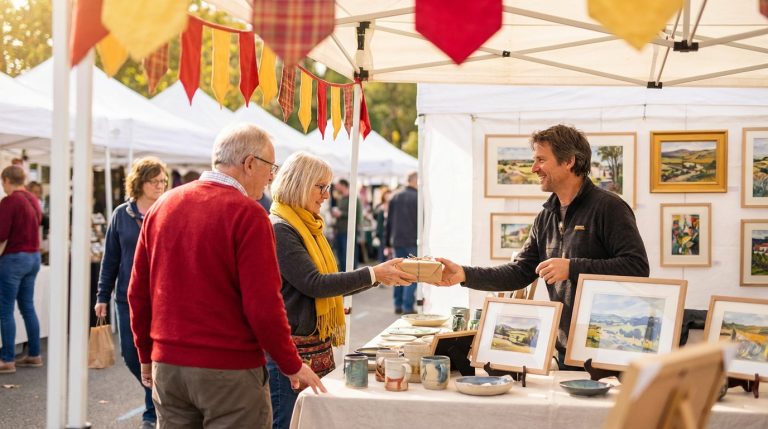
The word “patron” can sound distant, like something from a painting of old Venice: silk-robed figures funding marble statues and gilded altars. The truth now is far more ordinary and far more intimate. A patron can be the person who gives 5 a month on a membership platform, the local business that pays for lumber for a set, or the single donor who quietly covers an entire experimental season.
Patronage is the choice to stop being only an audience member and start being part of the production team behind the scenes.
In practical terms, modern arts patronage has three main faces:
| Type of Support | What It Looks Like | Impact on Artists |
|---|---|---|
| Financial gifts | One-time donations, monthly giving, sponsorships, grants | Covers rent, materials, salaries, insurance, marketing |
| In-kind support | Donated space, materials, equipment, professional services | Reduces production costs and risk, expands what is possible on stage |
| Relational support | Connections, advocacy, hosting, showing up, spreading the word | Builds audiences, credibility, and long-term stability |
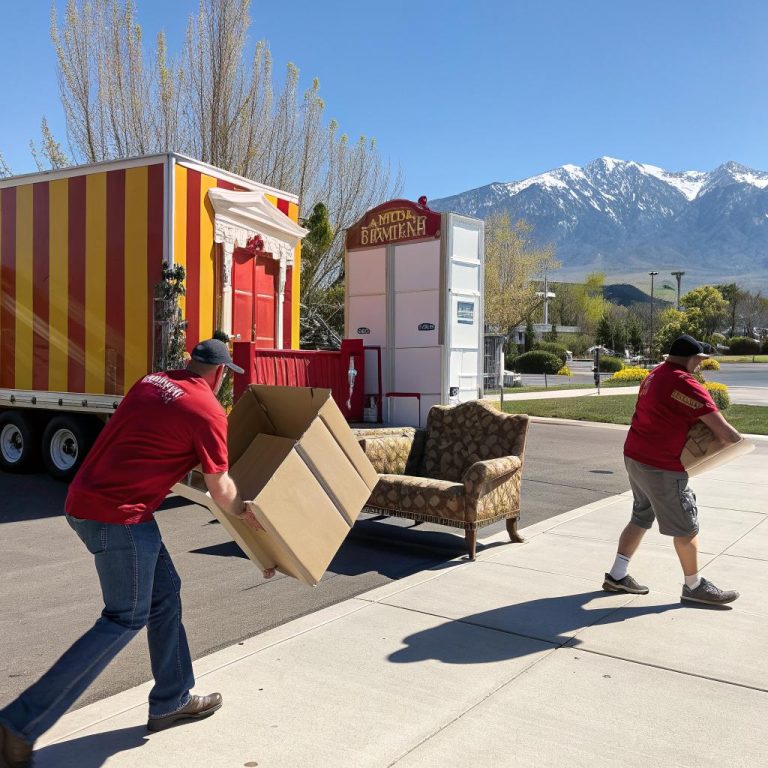
In set design and immersive theater, these three forms are often braided together. A donor does not just write a check; they also lend a warehouse for a weekend, or introduce the director to an architect, or show up at rough run-throughs.
If you care about experience, about the feeling of walking into a room and having your sense of reality shift, then patronage is how you feed that world instead of only consuming it.
Step 1: Decide What Kind of Art You Want to Protect
Every donation is a vote. A quiet, powerful vote about what you want to exist in your city and your lifetime. Before you speak to a single organization, you need clarity on your own values.
Close your eyes and think of the last piece of art that stayed with you for more than a day. Maybe it was a fringe show with a wobbly platform that felt like it might collapse. Maybe it was an immersive piece where the walls breathed with projection and sound. Maybe it was a tiny gallery where a single performance quietly rearranged how you think about public space.
What made it stay?
Good patronage begins with one honest sentence: “I never want to live in a place where this kind of work disappears.”
You can shape your giving around several axes:
| Axis | Choice A | Choice B |
|---|---|---|
| Scale | Large institutions (regional theaters, big museums) | Small companies, artist-run collectives, individual artists |
| Form | Traditional theater, opera, ballet, established venues | Immersive theater, site-specific work, experimental performance |
| Focus | Organizations with long histories and buildings | New voices, underrepresented communities, emerging artists |
| Impact | Broad public reach, big audiences | Deep, intense experiences for smaller groups |
There is no correct combination. There is only honesty. If glossy proscenium productions leave you cold but a scrappy warehouse show makes your pulse jump, then your dollars will do more good in that warehouse, even if it has no engraved donor plaques.
Why Set Design and Immersive Work Need Different Patrons
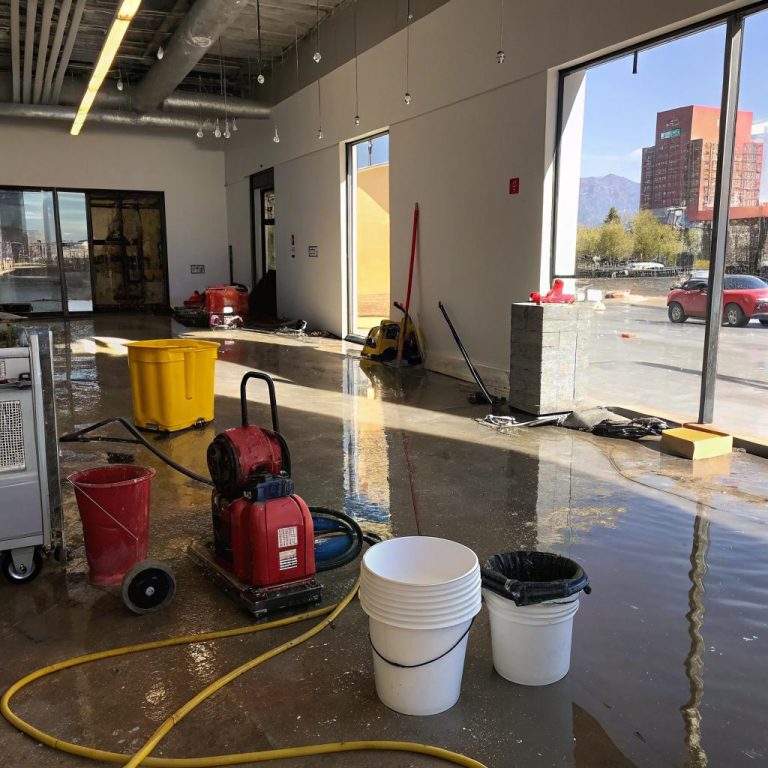
Traditional theater spaces have infrastructure: fixed stages, stored flats, established workshops. Immersive projects and adventurous set designs often appear in temporary spaces: basements, abandoned shops, rented industrial shells. That creates fragile budgets.
When a company builds an entire world from scratch in a raw space, they are not just buying paint and plywood. They are paying for:
– Short-term leases
– Safety inspections
– Extra lighting and rigging
– Sound treatment for non-theatrical rooms
If your heart lives in these constructed worlds, you should know this:
Immersive and experimental set-driven projects often operate closest to the edge. A small donor can be the difference between “we dreamed this” and “we built this.”
So when you choose where to give, ask who is building the risky spaces you want to walk through. Then stand behind them.
Step 2: Understand How Arts Organizations Actually Survive
If you imagine that ticket income covers the cost of that intricate set, the carefully tuned lighting, the rehearsal weeks, you are carrying a comforting illusion. In most cases, ticket sales cover only a fraction of real expenses.
To be an effective donor, you need a rough sketch of the backstage ledger.
The Invisible Budget Behind the Magic
A small immersive production or experimental show might have a budget that breaks down something like this:
| Category | Typical Share of Budget | Examples |
|---|---|---|
| Space & overhead | 25% – 40% | Rent, utilities, insurance, storage space, cleaning |
| People | 30% – 50% | Performers, designers, technicians, stage managers, producers |
| Production materials | 15% – 25% | Lumber, paint, fabric, props, hardware, special effects |
| Audience-facing costs | 5% – 15% | Marketing, ticketing systems, front-of-house staff, programs |
Many donors assume their money will go directly into what they can see on stage. Fresh paint. Better costumes. A more elaborate build. That is sometimes true, but not always.
Often, what an arts group really needs is unglamorous: covering a gap in rent, paying a stage manager properly, covering insurance so an immersive installation does not have to be watered down for safety concerns.
Strong patronage allows artists to stop choosing which corner to cut just to open the doors.
When you give, you are not just paying for beauty. You are also paying for time, safety, and creative risk.
Why Unrestricted Giving Matters
You will encounter phrasing like “restricted” and “unrestricted” gifts. In simple terms:
– Restricted: Your money can only be used for a defined purpose (such as building a new lighting rig or funding one specific project).
– Unrestricted: The organization chooses where your money goes based on their real needs.
Many donors prefer to attach their gift to something visible: a named production, a special project, a capital improvement. There is satisfaction in pointing at a wall or a set and knowing “I helped pay for that.”
That impulse is understandable, but it can limit the artistic team. Unrestricted gifts are often the most helpful, especially for small and experimental groups.
If you trust the artists, one of the kindest things you can give them is the freedom to spend money where the pressure is highest, even if you never see that line item.
Without such flexible support, organizations may have money sitting in a fund for a future costume upgrade while they struggle to pay their lighting designer now.
If you want to fund something specific, ask first: “Would this be supporting a real need, or would general support be more useful?” Then listen carefully to the answer.
Step 3: Choose Your Level of Engagement
Not every donor wants the same relationship with the work. Some want anonymity. Others want to sit in on early rehearsals and talk with designers about texture and light. Both are valid, but confusion here leads to disappointment on both sides.
Think of patronage as a spectrum of engagement:
| Engagement Level | Experience | Typical Forms of Support |
|---|---|---|
| Quiet supporter | Attends shows, gives regularly, stays mostly in the audience | Memberships, annual gifts, small recurring donations |
| Partner | Has a relationship with the team, attends behind-the-scenes events | Sponsorships, named production support, advisory help |
| Patron-collaborator | Actively shapes opportunities, funds risk, may underwrite new work | Major gifts, multi-year commitments, project incubation |
None of these makes you “better” or “more serious” than the others. The key is clarity. Be honest with yourself and with the artists about what you want.
If you say you want to support without influencing the content but start requesting script changes or softer themes, you will damage trust. If you say you want deep involvement but then never show up, you rob yourself of the experience you could have had.
Good patronage respects artistic independence while creating a space for conversation and shared curiosity.
Ask the organization what forms of engagement they offer to donors at different levels: open rehearsals, tech run viewings, designer talks, set tours. Then choose what feels right for your temperament.
Step 4: Pick Your Path: Individual, Organization, or Project
This is the point where vague ideas turn into real choices. You have three main paths for your support.
- Support organizations
- Support projects
- Support individual artists
Supporting Organizations
This is the most common route. You give to a theater company, an arts center, or a collective. They decide how to allocate those funds across seasons and programming.
Pros:
– Stability: Your support helps create a reliable base for ongoing work.
– Infrastructure: Your gift maintains spaces, staff, and systems that many artists rely on.
– Multiplicity: You fund not just one show but a body of work.
Cons:
– Less immediate visibility: It can be harder to see your exact impact in a specific moment.
– Less control: You trust the organization to set priorities.
This is a strong choice if you care about a building, a city space, or a collective voice: a theater that champions new work, an immersive hub, a set design studio with a teaching wing.
Supporting Projects
Here you fund one specific creation: an immersive show in a warehouse, a touring installation, a festival, a new play with an unusual design.
Pros:
– Tangibility: You see directly what your money built.
– Narrative: You can follow the project from first sketch to final show.
– Focus: You can choose projects that match your values in form or theme.
Cons:
– Fragmentation: Once the project ends, the relationship can fizzle.
– Overemphasis on “new”: Organizations may chase project funding while neglecting their underlying health.
Project-based support works well if you want to help something exist that is clearly fragile: a debut production, a one-off installation, an experimental piece that will not attract safer institutional funding.
Supporting Individual Artists
In set design and immersive theater, individual artistry shapes every surface you see. Supporting one person can ripple through many shows and companies.
This might mean:
– Direct stipends to a designer during a development period.
– Covering studio or workshop rent.
– Funding personal research trips or training.
– Commissioning a piece of design work, such as a prototype for a modular set or interactive environment.
Pros:
– Deep impact: You may change the course of an artist’s practice.
– Flexibility: The artist can follow opportunities and ideas quickly.
– Close relationship: You experience their process more directly.
Cons:
– Risk: Their path may shift away from the work you expected.
– Administration: Tax and legal aspects can be more complex without an organization as intermediary.
Supporting an individual artist is like funding a laboratory inside a single mind and pair of hands.
If you choose this path, be very clear about expectations. Are you commissioning specific work or supporting their general growth? Are there deadlines? Do you expect credit? The healthiest relationships are built on trust and simple, written agreements.
Step 5: Learn to Read Between the Lines of Arts Requests
Once you start exploring patronage, you will encounter many asks: crowdfunding pages, gala invitations, sponsorship decks, grant language. The surface may be full of glowing adjectives, concept art, and phrases about “community impact.”
You need to learn to listen underneath the sparkle.
Questions That Reveal Real Need
When you talk with an organization or an artist, ask questions that bring you closer to the structure, not just the spectacle. For example:
| What You Might Ask | What You Might Learn |
|---|---|
| “What keeps you from saying yes to more ambitious set or spatial ideas?” | Insurance limitations, lack of build space, labor costs, technical expertise gaps |
| “If you had a 10,000 unrestricted gift tomorrow, where would it actually go?” | Hidden stress points: rent, wages, safety upgrades, storage, marketing |
| “What part of your work is hardest to fund through ticket sales or grants?” | Development time, rehearsals, education programs, accessibility measures |
| “Are there ideas that sit in sketchbooks because they are too risky financially?” | Potential for you to underwrite experimentation and new forms |
These questions do more than guide your giving. They communicate respect. You are saying: “I know your needs are not just what appears in the brochure. Tell me the truth.”
The most impactful donors are not the ones who give the most money, but the ones who listen the most carefully.
If an organization cannot or will not answer such questions with some honesty, that is a sign to pause. Good patronage requires transparency on both sides.
Step 6: Decide Your Time Horizon
The arts move in seasons, but patronage should think in years. A single gift can make a show happen. A consistent pattern of giving can reshape a city’s artistic texture.
Think about your giving over three time frames.
Short Term: Production to Production
Here your support flows to immediate needs:
– Helping a specific project close its funding gap.
– Covering a last-minute material cost.
– Supporting a festival or short run.
This is satisfying and visible. You can attend the show and feel the direct echo of your gift. The risk is volatility. Organizations can come to rely on last-minute miracles instead of stable planning.
Medium Term: Multi-year Commitments
Committing support over two to five years, even at a modest level, changes the pressure inside an arts group. It allows for:
– More daring programming choices.
– Earlier planning of complex productions.
– Investment in workshop and rehearsal processes instead of only final output.
For immersive and heavy-design work, multi-year stability lets a company build and reuse infrastructure: modular walls, lighting rigs, rigging systems. That multiplies the effect of every future dollar.
Long Term: Endowments and Legacy Giving
Not every donor will go this far, but it helps to know the shape. Long term support can involve:
– Endowment funds, where your capital is invested and the interest funds ongoing work.
– Legacy gifts in your will directed to specific organizations or funds.
– Named funds focusing on emerging designers, experimental space use, or accessibility.
These choices speak not only to what kind of art you want now, but to what kind of world you want strangers to walk through after you are gone.
Patronage at its deepest level is not about your name on a plaque. It is about someone in the future entering a room you paid for and feeling that their reality has widened.
You do not need great wealth to think in these terms. Even consistent small gifts over years build a quiet, very real legacy.
Step 7: Avoid Common Donor Traps
Good intentions can still create complications. If you care about the quality of the work, you have to be willing to see your own blind spots.
Trap 1: Controlling the Art
It is natural to have preferences. Brighter shows. Darker shows. Certain themes. Certain aesthetics. Money can make those preferences feel weighty.
The danger appears when a donor’s taste begins to shape artistic decisions beyond what the team genuinely wants.
Warning signs:
– Scripts softened or altered to avoid “upsetting” donors.
– Safer, more decorative designs chosen over bolder, more truthful ones.
– Programming skewed toward what is sponsor-friendly rather than artistically necessary.
If your presence begins to mute the work rather than deepen it, you are no longer functioning as a patron. You are functioning as a quiet censor.
To avoid this, be explicit with yourself and the artists:
Decide early: Are you funding this work because you trust their artistic judgment, or because you want them to illustrate yours?
If it is the latter, consider commissioning a private work or working in a more commercial context where that exchange is clearer.
Trap 2: Short-term Glamour Over Long-term Health
Galas, premieres, and splashy openings can be seductive. They feel like the center of the arts world: formal wear, photo backdrops, curated speeches.
These events can be useful for fundraising, but if most donor energy flows toward visible days while ignoring the long months of quiet labor, artists end up exhausted and underpaid, surrounded by glamorous evenings.
If every year you fund opening night parties but never rehearsal space, you are polishing the surface while the foundation cracks.
Strive for balance:
– Support the silent parts of production: workshops, tech weeks, build periods.
– Ask how often staff and crew are paid late or cut back, and why.
– Consider giving in the off-season, when attention and inflow shrink.
Trap 3: Spreading Yourself Too Thin
There is a temptation to scatter small gifts across a wide range of organizations, so no one feels left out. That impulse is kind, but it can dilute impact.
For some people, many small gifts are the right choice, especially if the goal is broad community support. For others, concentrating support on a few carefully chosen partners yields deeper change: a full season of immersive work, a dedicated design residency, the survival of a venue.
If your resources are limited, it is better to be genuinely significant to a small circle than symbolically present everywhere.
Step 8: Embrace the Non-Financial Ways to Be a Patron
Money is vital, but it is not the only gift. In set design and immersive theater, where logistics are complex, other forms of support can be surprisingly powerful.
Space
If you control or can influence access to physical spaces, you hold a rare card. Even a few days in an unused retail space or workshop can unlock a project.
Examples:
– Lending warehouse time for large-scale set construction.
– Providing rehearsal space during off-hours in a commercial building.
– Letting an immersive team test an installation in an empty apartment before a run.
Always think about safety, insurance, and clear agreements. But if you can safely share space, you are supporting the most expensive line in many budgets.
Skills
Your non-art career might be the missing piece in an art project.
– Legal advice around contracts or venue agreements.
– Accounting or budgeting help that keeps a group solvent.
– Architectural or engineering insight for ambitious physical builds.
– Marketing expertise for reaching audiences who would never read a theater newsletter.
To an artist drowning in logistics, a clear, donated hour with someone who knows contracts or numbers can feel as valuable as gifted cash.
Just be careful not to steer the artistic choices. Offer your skills in service of the work, not as a steering wheel.
Visibility and Advocacy
You can:
– Host gatherings where artists present early ideas to a small invited group.
– Introduce the work to people in your network who might become additional supporters.
– Speak directly and specifically about why a particular company matters to you.
When an artist or organization lacks large marketing budgets, one persuasive, sincere advocate in the right circles can shift their prospects in very real ways.
Step 9: Build Honest Relationships With Artists and Organizations
Patronage is not a transaction; it is a relationship. The health of that relationship depends on clarity, boundaries, and curiosity.
What Artists Need From Donors
Most artists and small organizations are not looking for a savior. They want:
– Predictability: A sense of what support they can rely on.
– Respect: Acknowledgment that their time and labor are real work.
– Autonomy: Freedom to make risky or controversial art without being punished financially.
Honesty on your side looks like:
– Stating clearly what you can give and for how long.
– Clarifying whether your gift may change year to year.
– Being open about any personal limits (for example, you may not want content associated with certain topics).
If those lines are drawn early, misunderstandings are far less likely.
What Donors Deserve From Artists
You are also entitled to clarity. Things you can reasonably ask for:
– Transparent communication about how your gift is used.
– Invitations or updates that match the level of your support.
– Respect for your time and privacy.
A strong patronage relationship feels less like buying a product and more like joining a long conversation about what art should be allowed to attempt.
If communication becomes evasive, if financial stories shift without explanation, or if the work diverges radically from what you were told your support would enable, you have every right to pause and ask questions.
Step 10: Make Your First Concrete Move
At some point, thinking must turn into action. The world on stage changes only when someone offstage writes the first check, makes the first introduction, offers the first rehearsal room.
Here is one possible path for a first year as an arts patron:
| Phase | Timeframe | Focus |
|---|---|---|
| Explore | Months 1-3 | Attend shows, visit small venues, find work that moves you, talk informally with artists. |
| Choose | Months 4-6 | Identify 1-3 organizations or artists whose values match yours. Ask them real questions about needs. |
| Commit | Months 7-12 | Set a specific support plan: recurring small gift, project sponsorship, or a defined in-kind contribution. |
Along the way, you learn. You sit in more black box theaters, walk through more half-built sets, hear more nervous pitch speeches over weak coffee. You start to see patterns: who is stretching every dollar, who is building thoughtful worlds rather than shallow spectacle, who respects both audience and craft.
The most meaningful patronage begins on a very simple level: “I saw your work. It mattered to me. I want to help you do more of it.”
From there, the path unfolds case by case. There is no single formula. There is only attention, resources, and the decision to share them.
If you do this well, there will come a night, years from now, when you stand at the back of a dim warehouse or under the balcony of an old theater. The air will shift. A set will transform in front of you, walls sliding, light bending, sound arriving from strange directions. The audience will lean forward without quite knowing why.
In that moment, you will feel something simple and rare: this would not look or feel the same without me. Not as a star, not as a name in a program, but as one of the hidden structures holding the experience in place.
That is patronage.