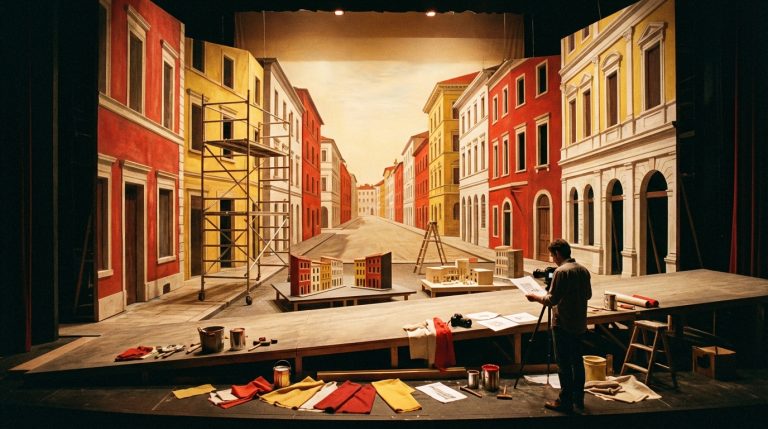
The first thing you notice is the smell.
Wet MDF. Fog fluid. A trace of paint that never fully cured because tech week ran long. You walk into the space, sound cue humming softly, LEDs glowing behind a scrim, and somewhere behind the flats there is that quiet, slow drip. One tiny, irregular tap that does not belong to the sound design. That drip is the real antagonist. And this is where a company like Spartan Plumbing LLC quietly saves the show.
Here is the short version. Immersive sets live or die on control. You are shaping light, sound, proximity, and time. Water and plumbing issues ignore all of that. A pinhole leak can warp scenic floors, trip power, stain hand-painted walls, short out interactive pieces, and push you into last-minute redesign at the exact moment you can least spare the time. A plumbing crew that moves fast, respects the art department, understands temporary build conditions, and thinks a bit like a stage manager can keep the whole experience from collapsing somewhere between preview 2 and your first review. That is what a good shop like Spartan Plumbing LLC actually does for immersive work: they protect your control.
Now, if you work in set design or immersive theater, plumbing probably sits at the bottom of your creative excitement list. I get that. I have stood in tech meetings where everyone argues about a 3 percent dimmer change for 40 minutes, then waves off a real-world leak with a shrug and a plastic bucket.
That bucket is not a plan. It is wishful thinking in physical form.
Why Plumbing Problems Hit Immersive Sets So Hard
Immersive sets are fragile in very specific ways. They look solid, often feel solid, but under the paint and foam and scenic dressing, they are temporary and strangely vulnerable.
Here are a few reasons plumbing trouble hurts this kind of work much more than a normal room set for a sitcom or a static gallery show.
- Materials are not meant for long-term moisture.
- Audience proximity reveals small damage fast.
- Electrics and water live very close together.
- Access is tight, rushed, and rarely built for repair.
Most immersive builds use:
- OSB or MDF flooring on sleepers
- Foam, muslin, carved EPS, and thin ply for walls
- Cheap laminate and vinyl for “period” or “fantasy” rooms
These look great under careful lighting, but they hate moisture. One unnoticed drip under a fake bathroom set can swell a subfloor in 24 to 48 hours. By the end of the week, your carefully leveled floor is a subtle ramp. In a normal theater, the audience never walks on that. In immersive work, guests are often inches away from the damage and walking right across it.
Water damage rarely starts as a disaster. It starts as a “we will deal with that later” spot on the floor that slowly eats your entire schedule.
Another detail people underestimate is sound. A tiny leak in a ceiling void might not look like much at first. But in a quiet narrative beat, when an actor is whispering two feet from a guest, that drip becomes the loudest thing in the room. You cannot just cover it with more sound design, or you risk muddying the entire cue stack.
So for immersive work, plumbing issues are not just “back of house” headaches. They are visual, physical, and emotional intrusions on the story itself.
What Sets Need From A Plumber That Regular Jobs Do Not
A normal residential or commercial plumbing job is built around stability. Thick walls. Clear access. Predictable conditions. Immersive sets are the opposite.
You might recognize some of this.
- Walls built from 1×3 and luan, not structural studs
- Fake ceilings that sit two feet below the real one
- Hidden catwalks, trapdoors, and crawl spaces
- Props that must never be disturbed, even when they look cheap
- Temporary bathrooms that still need real water and drains
So what do you actually need from a plumbing team in this context? Not magic. Just a few specific traits that many companies do not really practice, but outfits like Spartan Plumbing LLC tend to build into their habits.
1. Respect for Temporary Builds
A lot of plumbers are used to pushing through drywall, cutting open access, moving things around. That is normal. On a set, that same approach can wreck a carefully dressed wall, tear through scenic paint, or break an integrated LED strip.
A plumber who understands scenic work will:
- Ask before cutting or opening any surface
- Work with your technical director to pick access points
- Use smaller holes and cleaner cuts that your scenic team can patch
- Avoid resting tools or parts on delicate props or finishes
The best tradespeople on a show are the ones who act like everything they touch is already in the photograph.
You want a crew that treats your foam rock wall or fake plaster cornice with the same care as a finished homeowner bathroom, even if they know it is just plywood and paint.
2. Comfort With Weird Access Routes
In an immersive space, the shortest path to a pipe is rarely the one an audience uses. It might be:
- A crawl under the deck through cable trays
- A ladder behind a false bookshelf door
- A tight squeeze along a wall cutout behind a scrim
Some plumbers find this annoying. Others treat it as just part of the job. You want the latter.
When a plumber is willing to adapt to your access path, instead of ripping through the front-facing set or asking you to disassemble half the room, you save time and preserve the illusion.
I have seen tech teams spend hours striking, then restoring, a full environment because the crew that arrived refused to go through a small hatch. That is not a plumbing problem. That is a flexibility problem.
3. Willingness To Work Inside Your Schedule
You know the pattern. There is:
- Install period
- Tech
- Previews
- Open, then maintenance
Plumbing issues do not respect that timeline. A good crew for immersive work will plan around:
- Noisy work during dark hours or when guests are clear
- Coordination with electrics so power is safe during wet work
- Actor and crew traffic so no one is blocked from entrances or exits
A plumber that talks to stage management before they start cutting, drilling, or testing water pressure will save you more cues than any new piece of gear.
This is where local shops that build relationships with venues tend to shine. They start to understand your rhythms, your cue times, and even your specific show quirks.
Common Plumbing Threats To Immersive Sets
It might help to name the usual suspects. Not every set will face all of these, but most long-running immersive environments run into at least one.
1. Leaks Above Scenic Ceilings
Dropped or fake ceilings are common in immersive shows. They hide:
- Sprinkler lines
- Existing building plumbing
- HVAC ducts
- Data and lighting runs
The problem is simple. A slow leak above a dropped ceiling can pool for days before it shows through paint. By the time you see a brown spot, or a bubbling patch, damage has spread over a much larger area.
This can:
- Soften ceiling panels
- Soak insulation that then drips for days even after the leak is fixed
- Destroy any integrated lighting in that section
Technically, this is not always “your” leak. It might belong to the landlord upstairs. But your show still pays the price unless you catch it early and bring in someone who knows how to contain, diagnose, and fix it without trashing the set.
2. Showers, Sinks, And “Real” Water Effects
Immersive creators love real water. Real sinks. Working taps in a haunted kitchen. A dripping pipe you can actually touch. It feels honest and grounded. It also multiplies your risk.
Common issues:
- P-traps that are hand tightened and then walk loose over weeks of show use
- Flexible supply lines that were never meant for the traffic they see backstage
- Drains that clog on hair, fake blood, makeup washout, or small props
If you want water in your show, you need a plumber in your contact list, not just a bucket in your props road case.
3. Emergency Overflows
Toilets in public-facing immersive venues are not glamorous, but they matter. A guest bathroom overflow can:
- Flood a hallway that happens to be part of your set
- Wick under walls into performance rooms
- Force late arrivals or early dismissals if you cannot clear it quickly
This is where a reliable emergency crew earns their entire annual cost in one bad night. Fast response, plus a team that can work without tearing your set apart, keeps your show running.
4. Condensation And “Phantom” Moisture
Not all water problems are leaks. Some are condensation on cold pipes running through warm, humid scenic spaces.
You might see:
- Drops forming on exposed pipe runs above a room
- Damp patches on walls where cold lines sit close to thin scenic surfaces
- Rust stains from constant, small moisture over time
These are subtle, but they age your set in a way that does not always match the design. Sometimes that looks nice, but most of the time it just looks patchy and unplanned.
A good plumber can insulate those lines, re-route small sections, or suggest simple fixes your carp team can install once they understand where the real problem is.
How Spartan-Style Plumbing Support Fits Into Your Production Pipeline
If you have never really integrated plumbing into your production planning, it may feel like one more plate to spin. It does not need to be heavy. Think of it as the same level of care you already give electrics and rigging, just applied where water flows.
Pre-Build: Ask The Boring Questions Early
During design and pre-production, you already ask questions like:
- Where does power enter this room?
- How will guests move through this door?
- Where can actors safely reset?
Add plumbing questions to that same meeting. They are not dramatic, but they pay off.
| Design Question | Plumbing Version | Why It Matters |
|---|---|---|
| Where does power come from? | Where are the existing supply and drain lines? | Lets you place water features and bathrooms without long, fragile runs. |
| How do we access dimmers? | How will a plumber reach shutoff valves? | Prevents future leaks from forcing you to cut open scenic walls. |
| What is the worst-case failure? | What happens if this line bursts during a show? | Guides you to protect electrics, floors, and exits from water flow. |
| Where are emergency exits? | Where are main building shutoffs? | Helps stage management respond quickly in a crisis. |
If you involve a plumber early, even for a short walkthrough, they can often point to trouble spots you never considered. That is not overkill. That is just using another set of experienced eyes.
Build Period: Coordinate, Do Not Just Inform
It is easy to treat trades as separate silos: carpenters one week, painters the next, electrics after that, then “mechanicals” if something goes wrong.
In immersive work, you are better off overlapping them slightly.
During build, a plumbing team can:
- Tag main lines and shutoffs clearly, so your crew knows what is what
- Install new shutoff valves in accessible spots behind discreet panels
- Add cleanouts where you know clogs are likely, like show sinks
I once saw a show where the scenic team built a beautiful tiled bathroom over a drain cleanout they did not know existed. When the line clogged, the plumber had to smash the new tile to reach it. A 10-minute talk during build would have prevented that.
Tech And Previews: Watch For Early Warning Signs
You are already watching for cue misfires, timing issues, and performance beats that do not land. Add a mental list of water-related checks:
- Any new stains or bubbles on floors or ceilings
- Persistent damp smells in specific rooms
- Drains that seem to empty more slowly from one night to the next
Stage managers are good at patterns. If they know that “slow sink” could turn into “flooded green room” in a week, they can call in help before the big failure.
The best time to fix a plumbing problem on an immersive set is the first day you notice something feels off, not the day it forces you to cancel a show.
Run Of Show: Plan For Maintenance Like You Plan For Costume Repairs
You probably already schedule:
- Weekly floor checks for wear and tear
- Touch-up paint calls
- Prop repairs and replacements
Add regular plumbing health checks to that list, even if they are quick.
Examples:
- Staff walk-through with a simple leak-list template
- Monthly quick visit from your chosen plumber for high-risk areas
- Quarterly drain cleaning on show sinks and high-use bathrooms
This costs some money and time, yes. But compare it to the cost of losing two sold-out nights because of a burst pipe behind your main lobby scene.
What A Good Plumbing Partner Actually Does During An Emergency
Theory is fine, but what does it look like when it all goes wrong? Let us take a pretty typical scenario.
A Pipe Breaks On A Two-Show Saturday
Imagine a line feeding a nearby tenant unit fails and water starts coming through your ceiling an hour before your first show. You call your chosen plumbing company.
What you want to see from a crew like Spartan Plumbing LLC is something like this:
- They answer or call back quickly, with a clear arrival estimate.
- They ask you where the main building shutoffs are, and if you know them.
- When they arrive, they check with stage management before entering guest areas.
- They isolate the leak, then explain your options in plain language.
- They choose access points that keep your critical scenic areas intact when possible.
- They work around your show timings where safety allows.
During the fix, they should also:
- Flag any nearby risks, like exposed DMX or power cables too close to wet zones
- Suggest simple safeguards for next time, such as new shutoff valves
- Document what they did, so you can plan scenic patches later
The goal is not perfection. Things are already messy. The goal is containment with respect for your art form.
How Immersive Teams Can Make Life Easier For The Plumber
It is not all on the plumber. There are quite a few small steps your art, tech, and production teams can take that make fast, respectful fixes far more likely.
Label Everything That Matters
You might feel silly putting labels on what looks like generic piping, but in a complex building with a layered set, it helps.
Consider labeling:
- Main shutoff valves with big, readable tags
- “Show water” lines that feed set features
- Any false valves or fake fixtures that are just props
This stops a plumber from spending twenty minutes spinning the wrong handle during a leak while water runs into your main scene.
Keep Clear Paths To Known Plumbing
Art departments love to cover everything. That is their job. But try not to bury every bit of mechanical access behind heavy, fixed pieces.
If you know a wall hides key plumbing, design:
- Removable panels masked as picture frames or vents
- Hinged sections disguised as cupboards
- Soft goods that can be lifted quickly without tools
Think of it as building trapdoors for plumbers instead of just for actors.
Teach Your Crew What “Bad” Looks Like
During crew orientation, we talk about safety, cues, emergency exits. Add a short segment on early water signs. Nothing elaborate. Just examples:
- “If you see this kind of stain, tell stage management.”
- “If this sink gurgles or backs up, log it.”
- “If you smell damp or mold in a new place, mention it.”
Once people start noticing, you will get more reports. Some will be false alarms. That is fine. Better small annoyances than a surprise catastrophe.
Where Immersive Artists And Plumbers Quietly Overlap
I am going to say something that might sound odd at first. Good plumbers and good set designers actually share a strange common ground.
You both care about:
- Flow, just in different senses.
- What the audience or occupant never sees.
- How small choices in one corner affect the whole system.
You map pressure and movement. They map water and waste. If anything, you might understand each other better than you think.
And I will admit, I used to treat plumbing as boring. A background utility. Then I watched a single failed pipe take out a beautifully designed interactive room that had taken months of concept art and build time. Not because the team was careless, but because no one had pulled a plumber into the conversation early.
That changed how I look at this kind of support.
Practical Planning Checklist For Your Next Immersive Build
You do not need a giant new protocol. A short checklist you revisit during each phase of a project is often enough.
Before You Sign The Lease Or Contract
- Walk the space with building management and ask where water comes in and goes out.
- Request a basic plumbing diagram if they have it.
- Ask directly about past flood or leak incidents.
If management seems vague or dismissive about past issues, treat that as a red flag. Water problems tend to repeat in the same buildings.
During Design
- Map your water-dependent scenic pieces onto the real plumbing diagram.
- Decide which features must use real water and which can be faked.
- Plan clear access to any new valves or fixtures.
You do not need to avoid water effects entirely. You just need to decide where they actually add value and where they are just extra risk.
During Build And Tech
- Verify that all visible fixtures are secure, not just hand tight.
- Pressure test any new lines before finishing walls and paint.
- Run full, heavy-use tests on show sinks and drains, not just quick splashes.
This is where a company like Spartan Plumbing LLC can be most helpful, because small mistakes in this phase echo through the whole run.
During Run
- Keep a simple maintenance log with dates, issues, and fixes.
- Schedule regular inspections for known hot spots.
- Update your plumbing contact list so staff always know who to call.
Many shows skip the log part. That is a mistake. A pattern of small issues often points straight at a bigger underlying problem that a plumber can fix in one focused visit instead of a dozen scattered emergencies.
Questions Creators Often Ask About Plumbing And Sets
Is professional plumbing support really worth the cost for a small show?
If your build is tiny, no water features, and your run is short, you might get away with minimal support. That said, even in a small venue, one uncontrolled leak can eat more money in refunds and repairs than a few planned visits from a plumber.
So I would say it is not about the size of the show. It is about your risk profile. If you have real bathrooms in audience areas, real water in the set, or a very long run, you probably save money in the long term by bringing in professionals early.
Can my tech crew handle simple plumbing on their own?
Sometimes. Many techs can swap a faucet or tighten a trap. The danger is when “simple fix” starts drifting into “modifying building systems” or “working near mains” without proper training.
If your crew wants to do minor work, have a plumber walk them through what is safe and what is not. That mix can work well. But treating plumbing as just another DIY task often leads to hidden mistakes that show up later in unpleasant ways.
What is one practical step I can take this week without hiring anyone?
Walk your current space and:
- Find and label every shutoff valve you can access.
- Note any stains, damp smells, or slow drains in a simple document.
- Share that information with stage management and your production team.
That single, fairly boring task can dramatically reduce the impact of any future problem, even before a plumber ever sets foot in your venue.
If you had to pick just one of those to start with, which would it be in your current space, and why?