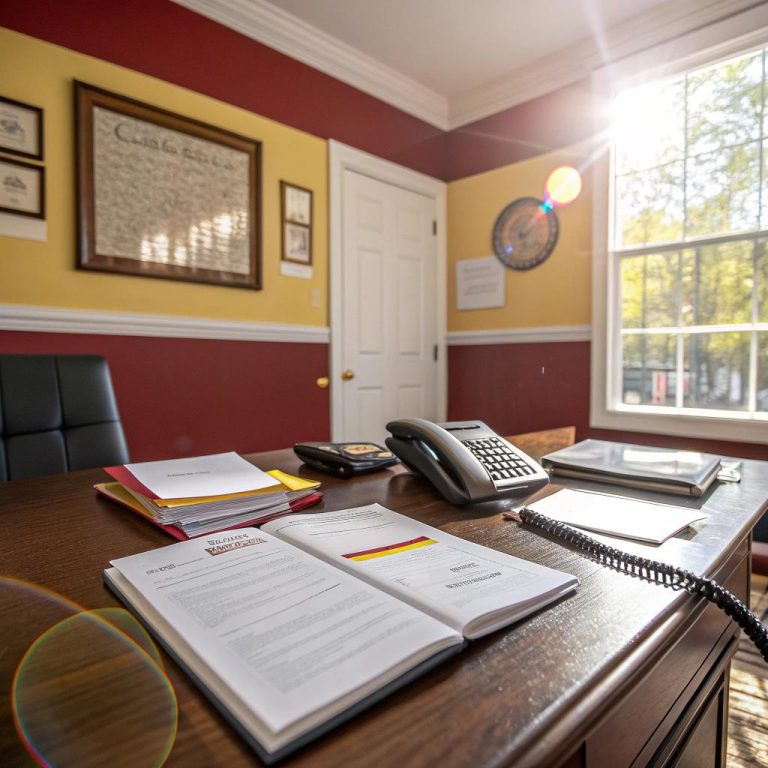
The first thing you notice is the light.
Afternoon sun angles through wide windows, catching on a row of small watercolor paintings. A woman in her eighties sits close to the glass, adjusting a paper backdrop for a tiny cardboard stage. On that stage, a few painted wooden figures wait for their cue. Nothing dramatic is happening. Still, the room feels like a backstage area before a show. Quiet, focused, full of small choices that make the space feel cared for and a bit theatrical.
In simple terms, artful aging in places like senior living Charleston SC and Summerville means treating daily life less like a schedule and more like a set you can design. It is about arranging rooms, activities, and routines so older adults do not just pass time. They shape it. It can look like a hallway turned into a gallery, a dining room lit like an intimate black box theater, a garden that doubles as an outdoor stage, or a memory care corner built like a familiar kitchen from the 1960s. It is practical, grounded, and at its best, quietly creative. Not flashy, not expensive. Just intentional use of light, texture, sound, and story.
You do not need a Broadway budget for this. You only need a basic respect for space, a bit of curiosity, and a willingness to ask one central question: how can everyday life feel more like a story you are inside, instead of a schedule you are stuck in?
What “Artful Aging” Really Means In Everyday Life
For people who care about set design or immersive theater, the phrase “artful aging” might sound either vague or very market-y. It does not have to be.
Artful aging is not about pretending that aging is always graceful or pretty. It is not. It can involve grief, medical issues, and days that feel flat or confusing.
What artful aging tries to do is work with those facts instead of covering them up. It borrows tools you would normally see in a theater, museum, or gallery and uses them in regular life inside senior communities.
So that might include:
- Using objects as props that trigger memory and conversation, not clutter.
- Creating small “sets” that support specific daily tasks, like a reading nook or a costume rack for movement classes.
- Designing shared spaces so they guide people through the day without lots of signs or instructions.
- Treating residents less like an audience and more like co-creators of the space.
If you think about a strong immersive show, the space does some of the narrative work. The same can be true for assisted living and memory care. Corridor lighting, sound levels, seating choice, where the coffee is placed, where the windows face. None of that is neutral.
Artful aging treats every hallway, table, and chair as a chance to support someone’s attention, dignity, and curiosity, instead of just giving them somewhere to sit.
That sounds nice on paper. The hard part is making it work in real buildings, with real budgets, real staff, and real people who are tired or scared or simply not in the mood.
Still, small changes can make a difference. The useful question is not “How do we make this perfect?” but “What is the next tiny thing we can tweak so life here feels more like a lived-in set than a waiting room?”
Why Assisted Living Spaces Matter So Much
People who design immersive shows already understand this: space changes behavior. A narrow corridor makes you walk differently. Harsh overhead light makes you talk less. A warm corner with fabric and books almost invites a conversation.
In assisted living, that effect is even stronger.
Older adults often spend more time indoors. Many give up driving. Some move away from homes they have known for decades. So the building itself carries more weight. It is not just a backdrop. It is part of their identity.
If you imagine a typical, bland care facility, you might picture:
- Long, uniform hallways with repeating doors.
- Neutral walls with a few generic prints.
- TV on in the background for “company.”
- Stacked chairs along the wall, unused until bingo.
Nothing is actively hostile there. It is just flat. The problem is that flatness drains energy. It gives nothing to push against, nothing to wonder about. For someone already dealing with memory loss or mobility issues, that can make days feel like one long, gray stretch.
Now think about an immersive set that you walked through at some point. Maybe it was a fake bar from the 1920s, or a maze of bedrooms with personal items scattered around. You probably remember little choices:
A coat that still smelled faintly of perfume.
An old radio on a shelf, quietly playing.
A lamp that drew you into a corner.
None of this requires big tech. It just takes intention. The same kind of intention can turn an ordinary assisted living corridor into something more like a lived story.
When you treat an assisted living building as a liveable set, you stop decorating for visitors and start designing for the people who wake up there every day.
From Institutional To Intimate: A Subtle Shift
A lot of communities say they want to feel “like home.” That phrase is overused and not very specific. One person’s idea of home is very different from another.
It can help to think less about “home” and more about “warm stages.” Stages where you are allowed to sit in the middle of the scene, not just watch it.
In practical terms, that might mean:
- Spaces that change through the day, like lighting adjustments in the evening that signal winding down.
- Objects that can be moved and handled, not just looked at behind glass.
- Corners that invite different roles: host, guest, artist, storyteller, listener.
Not everything needs to be themed. In fact, too much theming can feel fake, like a theme park. Older adults are quick to notice that. The goal is not to “wow” them, but to give them more ways to participate.
Borrowing From Immersive Theater For Daily Care
If you work in set design or immersive arts, you already have skills that fit this world. You know how to cue emotion with space. You know how people move when they are curious, or when they feel watched.
Translating that into assisted living is less of a creative leap than it seems.
1. Blocking Daily Life Like A Gentle Performance
In theater, blocking is the planned movement of actors through the stage. In assisted living, something similar happens every day:
Breakfast in the dining room.
Medication at a side table.
Group art in the activity space.
Walks in the garden.
You can treat those moments as simple chores. Or you can treat them as scenes that deserve a bit of staging.
For example:
- Place a small table with interesting objects on the path to the dining room. Something to pause at, touch, or comment on.
- Arrange chairs in arcs or clusters rather than straight lines, so people can see each other without craning their necks.
- Use color changes on the walls or floor to signal a transition from “public” (lobby) to “cozy” (living room) without signs.
None of this ignores medical needs. You still need clear sightlines for staff and enough space for walkers or wheelchairs. The trick is to balance safety with atmosphere, which is harder than it sounds.
2. Cueing Emotion With Light And Sound
Anyone who has sat under office fluorescents for eight hours knows that lighting affects mood. For older adults, light is even more critical. It affects sleep, orientation, and fall risk.
Think like a lighting designer:
- Use warmer, lower light in the evening common areas, not the same level all day.
- Aim for natural light in activity rooms to support focus and calm.
- Highlight specific areas, like a reading chair or a small gallery wall, to pull people toward them.
Sound also matters. Constant TV chatter can confuse people with memory loss. On the other hand, gentle ambient sound in a hallway can make it feel less like a hospital.
You might try:
- Soft instrumental music in one lounge, silence in another, so residents can choose.
- Short soundscapes tied to time of day: birds in the morning near a window area, quieter tones in the afternoon.
Again, this is not about creating some kind of themed sensory show. It is about shaping background cues so people feel oriented instead of overwhelmed.
3. Props That Invite Story, Not Dust
Props can easily slip into clutter. A shelf full of random items that no one touches does not help anyone.
For older adults, especially those with memory loss, props have to be simple and clearly linked to action. Think of each object as a question: “Would someone here know what to do with this?”
Better props might include:
- A basket of clean hand towels to fold on a coffee table.
- A wooden recipe box with blank cards and thick pens.
- Vintage postcards residents can sort by place or picture.
- Hats, scarves, and costume jewelry near a mirror for playful dress-up or movement.
The key is to rotate these. In a long running show, set pieces often shift slightly, so returning guests notice something new. Residents deserve that same respect.
Good props in assisted living are not decorations. They are extensions of the hands and memory, waiting quietly for someone to pick them up.
Designing For Memory Care Without Infantilizing
Memory care is often where design goes wrong. People mean well but end up creating spaces that talk down to residents, with baby-like colors or over-simplified decor.
You can bring in immersive and set design ideas here in a more thoughtful way.
Clear Cues, Not Childish Themes
People living with dementia often struggle most with transitions: where to go, what a space is for, how to get back to their room.
Strong visual cues help:
- Each resident room can have a distinct door color or a shadow box with real personal items.
- Bathrooms can have bold contrast between the toilet seat and floor so people can see where to sit.
- Activity areas can change tablecloth colors to signal a new purpose: blue for meals, green for games, white for crafts.
None of this requires cartoons or childlike elements. Think of it as “graphic design in 3D.” Clear, bold, respectful.
Micro Sets That Trigger Familiar Routines
Rather than one big “memory lane” area with random old objects, smaller focused scenes can support specific actions.
Here is a simple way to think about it:
| Micro Set | Key Objects | Possible Actions |
|---|---|---|
| Kitchen Corner | Aprons, mixing bowl, wooden spoon, recipe cards | Stirring, sorting, reading recipes, talking about meals |
| Garden Table | Seed packets, small pots, clean soil in a container, gloves | Filling pots, touching soil, smelling herbs, sharing garden stories |
| Desk Nook | Old-style phone (disconnected), notepads, stamps, envelopes | “Calling” someone, writing notes, stacking mail |
| Sewing Chair | Fabric squares, big buttons, yarn, embroidery hoops (no sharp needles) | Sorting, matching colors, touching textures |
These are sets without scripts. No one has to “perform” a correct way. The environment simply suggests certain gestures.
If you come from immersive theater, this is familiar: you build a small world, stock it with believable items, and trust people to interact in their own way.
Everyday Performances: Art, Theater, And Movement
So far, this sounds very design heavy. But artful aging also shows up in how programs are run.
You might think of “activities” as group events on a calendar: painting at 10, chair yoga at 2, movie at 7. That list is fine, but it can become rigid and shallow.
What if you approached programming more like an ensemble devising a show together?
Art That Is Process, Not Product
There is nothing wrong with craft projects that lead to a finished thing. The risk is when staff care more about that finished thing than residents do.
Stronger art sessions shift attention to the making itself:
- Use large paper, bold colors, and tools that are easy to grip, so physical ability is not a barrier.
- Invite people to tear, smear, stamp, or collage, not just “draw something nice.”
- Let residents choose if their work goes on the wall or stays private.
You can also connect art to the environment. For instance, have residents design backdrop panels that later hang in a hallway, turning a simple walk into a mini gallery.
Small-Scale Performance: No Stage Required
Not everyone likes “being on stage,” but many enjoy some kind of play.
Possible formats:
- Table read scripts: short, funny dialogues printed in large font, passed around at lunch.
- Prop-based storytelling: put a box of objects in the center and build a group story one person at a time.
- Movement circles: seated “choreography” with scarves, hats, or canes used as rhythmic tools.
- Soundscapes: residents create weather sounds using simple items, while someone else narrates.
Staff do not need to be trained actors. In fact, some theatrical polish can make things feel stiff. What residents usually respond to most is a sense of play and permission.
Inviting Outside Artists Without Turning Residents Into Spectators
This is where many communities get it wrong. They bring in performers, everyone sits in rows, claps politely, then goes back to their rooms. That is fine once in a while, but not very immersive.
If you work in set design or theater in the Summerville or Charleston area, you could offer:
- A workshop where residents co-design a small backdrop with you.
- A “costume afternoon” where people try on hats, shawls, and jackets from your collection and take photos.
- A simple sound design session where residents help pick or record noises for a future show.
The goal is not to use residents as props for your project. It is to recognize that many of them lived rich creative lives, even if they were never “artists” by profession, and to give them real input.
The Emotional Side: Dignity, Control, And Ambiguity
We should be honest: you cannot fix every challenge of aging with good design or creative programming. Some days, even the best staged room feels flat. Some residents will reject any new activity.
Artful aging is not a cure. It is more like a practice.
Giving Back Tiny Choices
One of the hardest parts of moving into assisted living is losing control. When you wake up, what you eat, what furniture you bring, even where your toothbrush goes can be shaped by policy.
Artful environments can return some of that control by design:
- Place snacks where residents can reach them safely, not behind a staff-only door.
- Let people move their chairs or small tables as they like, within safety limits.
- Have two or three lighting settings in a room that residents can pick: bright, medium, soft.
These seem like small things. They are not.
For someone who has lost the right to drive or live alone, choosing where a chair faces or which lamp is on can feel like breathing room, not decoration.
Respecting Unfinished Stories
In immersive theater, it is common to leave threads open. You do not explain every object. You let people fill in gaps.
Something similar can be kind in senior settings. You do not need to pin every artwork with a name and date. You do not have to fix every conversation that trails off.
Instead of forcing closure, you can build spaces that accept fragments:
A wall with works-in-progress that stay up for weeks.
A “question board” where residents pin questions that never really need an answer.
A listening area where people record short memories, even if they cut off mid-thought.
Aging itself is a long, unfinished process. Spaces that accept that can feel more human.
Practical Steps For Families And Designers
You might be reading this for different reasons. Maybe you are a family member thinking about moving a parent to an assisted living community in Summerville. Or you create sets and are curious what your skills might look like in this context. Or you work in a community already and know it feels a bit dull, but you are not sure where to start.
Here are a few grounded ways to move from idea to action.
If You Are A Family Member Or Friend
You cannot control everything about the building. But you can influence the “set dressing” of your loved one’s personal space and how you use common areas.
Try this:
- Choose fewer, more meaningful objects to bring. Think of each item as either a clear tool (lamp, chair, radio) or a story trigger (photo, book, textile).
- Avoid cluttered shelves of knick-knacks that no one dusts or touches.
- Ask staff if you can help create a small display in a shared hallway: a row of framed family recipes, for instance, or photos from local theater shows residents remember.
- During visits, use the space. Sit in different chairs. Move closer to the window. Walk the halls and notice what your parent responds to.
If a place feels visually flat or harsh when you tour it, your loved one will probably feel that too. You are not being picky if you notice it. That is part of care.
If You Work In Theater, Design, Or The Arts
You might worry that you have nothing practical to offer. That is wrong. Your work already deals with mood, movement, and story.
You could:
- Offer a seasonal “set refresh” for a common room, using objects and materials the community already owns.
- Run a workshop for staff on simple ideas like lighting angles, sightlines, and how to arrange chairs to support conversation.
- Help build a rotating “installation” wall where residents curate objects based on themes: travel, work, childhood.
You do not have to turn the building into a theater. In fact, trying to do that might backfire and exhaust staff. But you can slowly tune the atmosphere.
If You Are Staff Inside An Assisted Living Community
You probably know the constraints more than anyone. Staff shortages. Budgets. Regulations. Some suggestions from outside can feel naive.
So it might help to start with changes that:
- Do not require major approval.
- Can be reversed if needed.
- Directly reduce stress or confusion for residents.
For example:
- Swap one loud, chaotic TV session per day for a quieter, visually engaging option, like an art slideshow or landscape video.
- Create one “quiet corner” with softer light and no overhead announcements, where residents can retreat.
- Rearrange a stack of unused chairs into a more social layout.
- Ask residents which wall or area they would like to “own” with their art or photos, and help them claim it.
You do not have to call this “immersive design.” You can just say you are trying a new layout to see if people seem calmer or more talkative.
Common Questions About Artful Aging In Assisted Living
Is this all just decoration with a fancy name?
No. Decoration cares how things look to outsiders. Artful aging cares how spaces feel and function to people who live in them.
Pretty seasonal wreaths on doors, for example, might impress visitors but confuse someone with dementia who cannot recognize their own room.
Artful aging would focus more on cues that reduce that confusion, like unique door colors or personal objects near the handle.
Does this cost a lot of money?
It can, if you go all-in with professional designers and custom builds. But it does not have to.
Many effective changes are low cost:
- Rearranging furniture.
- Using thrift-store frames for resident art.
- Switching to lamps in the evening instead of only overhead lights.
- Printing large, clear photos from residents’ own collections.
The real cost is time and attention. Someone has to care enough to tweak and observe.
What if residents are not “art people” or do not care about theater?
Artful aging is not about turning residents into artists or theater fans. It is about making daily life less confusing, more interesting, and more personal.
You can benefit from a well-designed space without talking about design at all. People naturally sit where chairs feel comfortable, walk where light is welcoming, and reach for objects that make sense in context.
Could this be overwhelming for people with dementia?
If you overdo it, yes. Too many colors, textures, or props can overload anyone, especially someone already struggling with processing.
The aim is not visual noise. It is clarity.
A good test is: can a resident understand what this area is for with one glance? If not, simplify. Reduce items. Pick one or two clear themes.
What does “success” look like here?
Success is not a perfect, magazine-worthy space. It might look like:
A resident who starts walking to breakfast on their own because the path is visually clearer.
A usually quiet person who reaches for a scarf in a movement circle and sways along.
A family member who says, “It feels lighter in here,” without being able to say exactly why.
Those are small shifts. They add up.
Is artful aging realistic in regular assisted living Summerville communities, not just high-end ones?
It can be. Many communities in Summerville and nearby Charleston already use parts of this approach, often without that label. They hang resident art. They adapt rooms over time. They learn which corners calm people and which do not.
The question is not “Can we turn this place into a design showcase?” It is “Are we willing to look at our space with fresh eyes and keep adjusting it?”
And maybe the more honest question is this:
If you imagine yourself aging, would you rather spend your later years in a blank corridor with a TV at the end, or in a place that feels like a living set, full of small scenes you helped shape?
There is no perfect answer. But it seems worth asking.