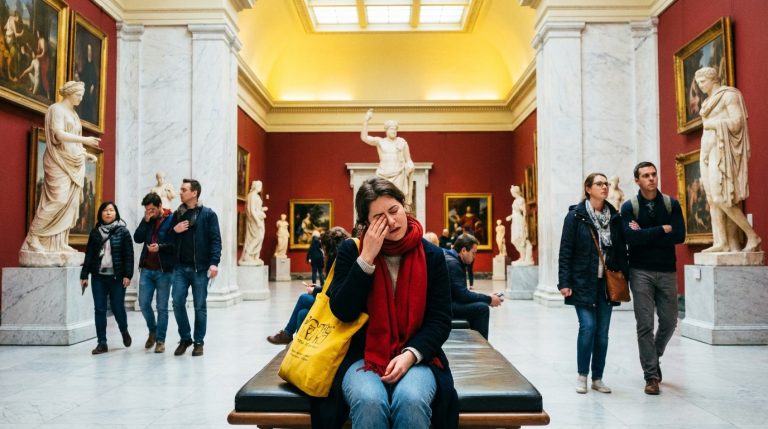
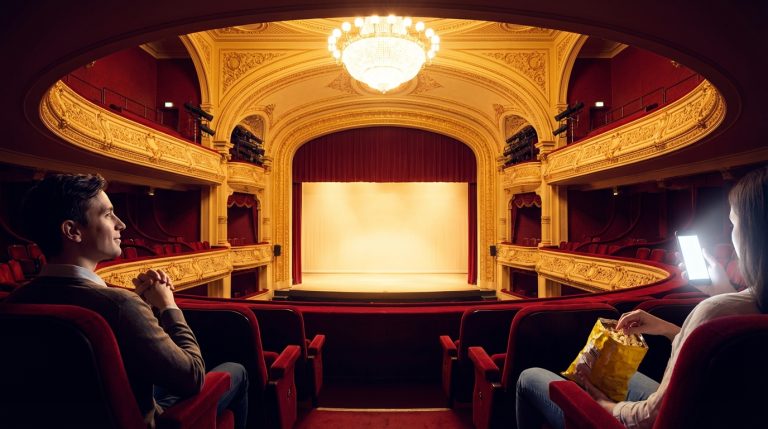
Imagine stepping into a warehouse where the air feels like part of the story. Your skin prickles when the temperature drops as you enter a “snowy” forest built from foam and light. In the next room, the air grows warm and a little heavy, and suddenly the neon-lit nightclub scene feels more real than the street outside. You do not see the vents tucked into the set walls or the quiet hum of equipment hidden behind flats, but your body notices every shift.
That kind of experience is not magic. It is careful, technical work. In many cases it comes down to a local partner like an HVAC company Valparaiso helping artists shape temperature, airflow, and sound so the set does not just look like another world, it feels like one. Without control of the air, immersive theater is mostly pretty scenery. With it, the space starts to talk to your senses in a deeper way.
So the short answer is simple: HVAC companies fuel immersive art by giving artists precise control over climate, air quality, and sound, then adapting those systems to odd rooms and fragile sets. They help keep performers safe under hot lights, keep audiences comfortable in long shows, and layer subtle changes in airflow or temperature into the story. When they do it well, nobody notices. They just feel it.
Why air quietly shapes every immersive set
Most people think of HVAC as boring background infrastructure. Heat in winter, cool in summer, done. For immersive theater and experimental installations, that view is a bit shallow.
Artists working in warehouses, old storefronts, black boxes, and half-renovated industrial spaces run into problems right away:
- The room runs hot with lights and people.
- Sound bleeds from rattling vents.
- Fog triggers detectors.
- Costumes trap heat.
You can ignore some of that for a short performance, maybe. But as you scale up a long running show, you need the space to behave. If the show is designed to pull the audience into a dream world, a blast of cold air from a grille above their head can ruin that feeling faster than a missed cue.
This is where HVAC stops being boring and becomes part of the design toolbox.
If the set designer controls what the audience sees, the HVAC team controls what the audience feels on their skin and in their lungs.
I know that sounds a little dramatic, but watch a tech rehearsal in a hot room with stale air, then watch one after a proper HVAC tune. It is like watching tired actors turn into human beings again.
Comfort is not just “nice to have”
Theater people sometimes treat comfort as something to sacrifice for art. That can work for a 20 minute piece. For immersive shows where the audience walks, crawls, and lingers for 90 minutes or more, basic comfort is part of the storytelling.
If the room is too hot:
- Audience attention drops.
- Performer stamina tanks.
- Makeup melts and costumes sag.
- Smells build up in close spaces.
If the room is too cold:
- People fixate on their discomfort instead of the story.
- Some guests leave early.
- Fine motor work, like puppetry or delicate prop handling, gets harder.
You probably do not want the audience thinking about the room at all. You want them inside the story. You want the climate to disappear.
How HVAC shapes the mood of a scene
Once basic comfort is stable, the fun part starts. You can use air as a design element.
Here are a few ways that often happens in immersive work:
- Temperature shifts to mark “world changes”
- Localized airflow to guide movement
- Humidity and smell management
- Silence for sound design clarity
None of this works if the HVAC system is fighting you. So the collaboration starts early, ideally when the space is first scouted.
Temperature as quiet storytelling
Think about a haunted hospital scene. The set is pale, sterile, and a little too bright. If the air is warm and cozy, the visual story and the physical feeling clash.
Now imagine that same room with a slight chill. Not freezing, just cool enough that your arms goosebump in a thin shirt. The story lands in your body.
A 3 or 4 degree change in temperature can sometimes sell a scene more than a thousand dollars of extra props.
A good HVAC partner can:
- Create zones with slightly different setpoints.
- Time gentle changes to match scene shifts.
- Protect gear from damage as temperatures move.
This does not always need fancy automation. Sometimes it is as simple as a schedule and a tech who knows the show.
Airflow as choreography
Set designers and directors often talk about audience flow. Where people enter, where they pause, where they cluster. Air can help steer that, in small ways.
You probably know how a slight draft will nudge people away from a door in winter. The same effect can be used inside.
For example:
- A path that feels “stuffy” may push guests to keep moving.
- A corner with fresher air might become a natural pause point.
- A subtle breeze can make a fabric installation come alive.
This is not mind control. It is more like giving the room a soft personality. People respond without thinking about it much.
Humidity, fog, and the fine line between mood and mess
Immersive shows often use haze, fog, mist, or small water features. Those look beautiful on Instagram, but they can wreck a climate system if they are not planned with care.
HVAC craftspeople worry about:
- Condensation on ducts and ceilings.
- Mold behind flats and on stored props.
- Fog triggering alarms or sensors.
Artists worry about:
- Light beams looking flat if the air is too dry.
- Paper props wilting.
- Audience hair, makeup, and clothing.
A decent collaboration strikes a middle ground. You might keep a certain area slightly more humid to catch light nicely, while keeping backstage storage very dry. That takes planning and real data, not guesswork.
HVAC challenges that are specific to immersive art
Traditional theaters at least start with some known specs. They have fixed seating, a predictable audience count, and a stage with clear boundaries.
Immersive spaces are wilder. They are often carved out of whatever building someone can afford. Each one has quirks.
Some common issues:
- Odd room shapes that confuse airflow.
- Low ceilings that trap heat from lights.
- Temporary partitions that hide vents.
- Secret passageways that need quiet but still need air.
That is why many immersive teams eventually stop trying to “just work around the vents” and instead bring in HVAC techs as part of the design conversations.
Historic buildings with stories baked into the walls
Old mills, schools, churches, and factories in places like Valparaiso often have strong visual character. Brick walls, high windows, creaky floors. Perfect for mood. Rough for climate.
You might have:
| Building Feature | Artistic Benefit | HVAC Headache |
|---|---|---|
| Exposed brick | Texture, authenticity | Thermal mass that resists quick temperature changes |
| High ceilings | Epic vertical space for sets | Hot air pooling at the top while guests freeze below |
| Old windows | Beautiful natural light | Drafts, heat loss, solar gain during day shows |
| Weird add-on rooms | Great for secret scenes | Uneven airflow and dead zones |
You can pretend those issues are minor, but over a long run, they cost you audience satisfaction and repair money.
Temporary sets vs permanent systems
Immersive sets move. Walls shift, props rotate, scenes evolve over months. The HVAC gear is usually more static.
This creates tension:
- Designers want freedom to reconfigure.
- Technicians want predictable airflow paths.
If you box in a supply vent with a new wall, you change how the room behaves. Air will find a new path, often in ways that cause noise, drafts, or hot spots.
One simple practice that helps:
Treat vents and thermostats as design objects, not background clutter. Place them with as much intention as you place a key prop.
That might mean highlighting a grille as part of an industrial look, rather than hiding it behind a removable flat that blocks airflow.
Working with an HVAC company without losing your mind
Artists and contractors sometimes talk past each other. One side speaks in terms of feelings and story, the other in tonnage and static pressure.
You do not need to become an engineer, but learning a few basics makes collaboration much smoother.
Share your artistic goals in physical terms
Instead of only describing themes, translate some of your needs into simple physical asks.
For example:
- “Guests will spend 30 minutes in this small room packed with electronics. We really need it to stay around 72 degrees even with 20 people in there.”
- “This corridor will be very quiet and intimate. Any vent noise will break the moment.”
- “We plan to use heavy fog in this chamber three times an hour. How do we keep it out of your sensors?”
It is okay if your numbers are rough. The point is to connect story beats to climate needs.
Ask questions that lead to better design choices
Here are a few questions that often open useful conversations:
- “If we block this vent with a set wall, what happens?”
- “Is there a way to make this unit quieter for our quiet scenes?”
- “Where should we never put fog or dust effects?”
- “Can we have two temperature zones for these adjacent rooms?”
You might not always like the answers. Some ideas will be too costly. Some will be unsafe. That is part of the negotiation.
Plan for the audience load, not just the room
An empty warehouse feels one way during early rehearsals. On opening weekend with 150 people breathing, sweating, and moving, it becomes something else.
HVAC planning needs to consider:
| Factor | Effect on Climate | Why It Matters for Immersive Art |
|---|---|---|
| Audience size | More body heat and moisture | Changes temperature and humidity in small rooms |
| Show length | Heat and CO2 build over time | Later groups may have worse experiences than early ones |
| Movement patterns | Some rooms fill and empty in waves | Climate shifts quickly in those areas |
| Costumes and props | Trapped heat, off-gassing from materials | Performer safety and air quality |
If your HVAC partner only sized the system for an empty room, you will pay for that mistake later.
Safety, regulations, and not choking the fog machine
Immersive work tends to push boundaries, but you still live under building codes and safety rules. HVAC sits right in the middle of that.
Fresh air and CO2 levels
When you pack people into small, sealed rooms, CO2 rises. That can lead to:
- Headaches
- Drowsiness
- Faster fatigue
- Weird sense of “stuffiness” that kills the mood
Artists often focus on temperature, but fresh air exchange matters just as much. Good HVAC design will bring in outside air and filter it at a rate that matches your occupancy.
This should not ruin your control over the mood. You can still keep a spooky room dim and quiet while the air does its silent work.
Smoke detectors, fog, and alarms that ruin shows
Fog machines and haze are common in immersive theater, and they are often the source of conflict with building systems.
Some questions to check with your HVAC and fire teams:
- Where are the detectors in fog-heavy rooms?
- What kind of sensing technology do they use?
- Can we adjust placement or shielding without breaking code?
- How will air movement from vents carry fog toward or away from sensors?
People sometimes try quick fixes, like taping plastic around detectors during tech. That is unsafe and can void your permits.
A slower, more honest planning phase saves shows from that kind of last-minute panic.
Performers under lights and layers
Immersive performers often wear heavy costumes, masks, and mic packs. They move close to audiences, climb stairs, and repeat intense scenes dozens of times per night.
If their bodies overheat, they cannot do their work. Worse, they can get sick.
HVAC can support them by:
- Keeping backstage cooler than the audience rooms.
- Adding small, quiet vents near “rest spots” that let them reset.
- Reducing direct drafts in locations where they spend long periods still.
If your cast feels like they can breathe, your show has room to grow. If they are constantly dehydrated and flushed, no amount of creative lighting will fix that.
I have seen casts start to resent a show not because of the script, but because the air felt like an enemy.
Budget tradeoffs: where climate control is worth the money
Money is always tight in art. It is tempting to pour every spare dollar into visible objects and cut the “invisible stuff” like HVAC upgrades.
That instinct is understandable, but not always wise.
Short runs vs long runs
For a one-weekend pop-up, you can probably adapt to a tricky room with fans, space heaters, or portable units. People will forgive a little discomfort for a rare experience.
For a six-month run, those hacks break down. Staff leaves, gear fails, word-of-mouth turns against you.
It can help to think in these terms:
| Timeframe | Cheap Fixes | Risks |
|---|---|---|
| 1 to 2 weekends | Fans, portable AC, simple space heaters | Noise, uneven temperatures, visual clutter |
| 1 to 3 months | Partial ducting, basic zoning tweaks | Rising energy costs, audience comfort swings |
| 6+ months | Full HVAC tuning, proper zoning, quiet equipment | Higher upfront cost but more stable experience |
If you believe your show can run for months, planning a real HVAC strategy from the beginning is not luxury. It is just planning ahead.
Where you can reasonably cut corners
Not every square foot of your building needs the same level of control.
You might choose to:
- Keep storage areas a bit rough, as long as props are safe.
- Let short transition corridors be a little warmer or cooler.
- Accept minor vent noise in areas with loud soundtracks.
Then you focus your budget on:
- Long dwell rooms where audiences linger.
- High exertion performance zones.
- Spaces with tight sound design that cannot handle ambient noise.
Talking through these priorities with an HVAC partner can lower costs without wrecking the experience.
Practical steps for set designers and directors
If you are working on a new immersive show, here are some practical habits that blend creative and climate thinking without turning you into an engineer.
Include climate notes in your design documents
When you share drafts with your team, add a few lines about how you want each room to feel physically.
For example:
- “Room A: Warm, cozy, slightly humid. Guests sit for 15 minutes.”
- “Room B: Neutral temperature, strong airflow on hanging fabrics.”
- “Room C: Slightly cool, very quiet, low movement of air.”
These notes remind everyone that climate is part of the design, not an afterthought.
Use rehearsals to test the air, not just the blocking
During early runs with more bodies in the space, pay attention to:
- Where people start to sweat or rub their arms.
- Where sound design fights with vent noise.
- Which rooms develop odors by the end of the night.
Then share those observations with your HVAC partner. It is fine if you cannot describe the technical problem perfectly. Saying “this corner feels like a dead zone” is a usable clue.
Create a simple climate feedback loop
You do not need fancy sensors in every room, but you can still track patterns.
Try something like:
- Have front-of-house staff note temperature complaints.
- Ask performers where they feel most drained or most comfortable.
- Check how different weather days affect the space.
Over a few weeks, you get a map of climate trouble spots. Those can guide small adjustments that raise the quality of the whole run.
Why local HVAC partners matter more than you think
Working with a company that knows your city and its climate, like any serious HVAC firm in a place with real winters and humid summers, is not just about “supporting local.” It is practical.
They understand:
- Seasonal humidity swings and how they affect old buildings.
- Typical temperature swings during evening performance hours.
- Local codes that affect what you can and cannot do with ventilation.
They also tend to know the quirks of common building types in the area. Old downtown brick, steel-frame warehouses, strip mall units. That insight can save you from repeating someone else’s mistakes.
Good local techs also stick around. If something fails on a show night, you want someone who can get there fast, not a call center in another state.
Common questions artists ask about HVAC and immersive art
Q: Do I really need to involve an HVAC company for a small immersive show?
A: For a short, small show, you might not need a full redesign. But it is still worth having at least one walk-through with a pro, even if it is brief. They might catch simple fixes, like thermostat placement or vent adjustments, that change the experience a lot for a small cost.
Q: Will climate control limit my creative freedom?
A: It can limit some physical choices, yes. You might not be able to seal a room completely if it kills fresh air, or you may need to leave a grille visible that you hoped to hide. But those constraints often lead to better designed spaces. You find ways to integrate vents into the look, or you adjust traffic patterns based on where the air behaves best.
Q: Is there any artistic value in HVAC beyond comfort?
A: There can be. Temperature shifts, drafts, and air movement can all become part of the dramaturgy if handled with intention. The key is that climate changes should feel motivated by the story, not random. A room that slowly cools as a relationship falls apart can be powerful. A room that suddenly blasts cold air because someone opened a side door is just distracting.
Q: How early should I bring HVAC considerations into my process?
A: Earlier than you think. Once you start locking in wall placement and room functions, you are also locking in where air can and cannot go. If you wait until tech week, you will end up with band-aids. If you talk about climate while sketching the first floor plan, you get more options and often spend less.
Q: What is one simple thing I can do right now to improve climate in my current show?
A: Walk the route of your audience or your performers during an actual run, and focus only on how your body feels. Do not watch the show. Notice heat, drafts, stuffiness, and smells. Write them down in order. Then pick one problem spot and solve just that, either with placement of a vent, a quiet fan, or a slight thermostat change. You do not need to fix everything at once. Small, targeted climate tweaks can raise the perceived quality of the art more than another prop ever will.