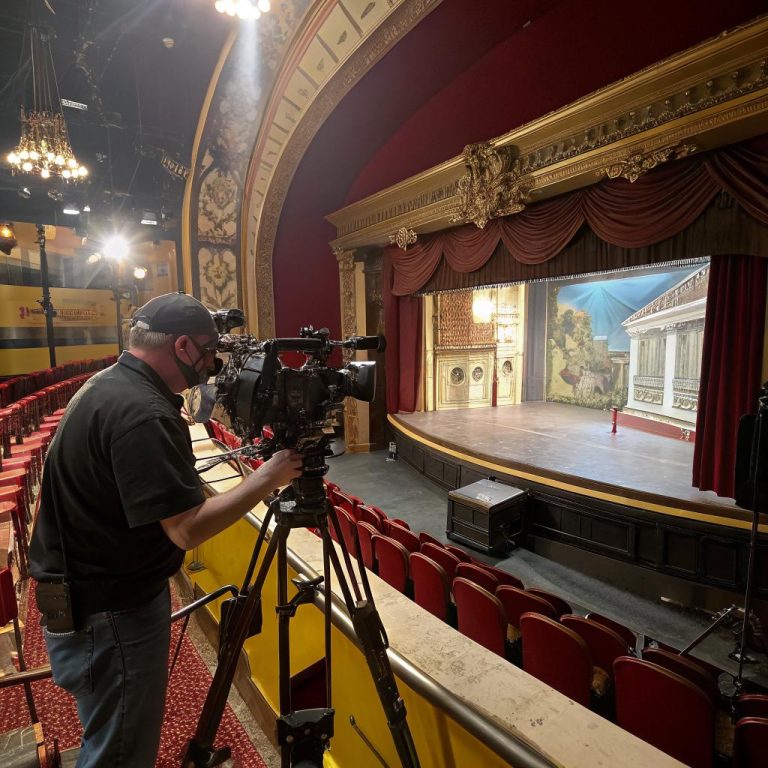
The house lights sink, and the stage floor becomes a black ocean. Feet hover, then land. A heel strikes, and the sound either blooms like a drum or dies like a sigh. A performer slides on a knee across the surface, trusting that it will burn just enough, not tear skin. The floor holds the show long before any seat is filled. It is the quiet partner to every cue.
Vinyl vs. hardwood for performance spaces: if you want a forgiving, adaptable, low‑maintenance surface for most theater, dance, and multipurpose work, choose vinyl over a properly prepared underlayer. If you are building a room where acoustic music, tap, and long-term architecture matter more than flexibility and cost, choose hardwood over a sprung subfloor. Vinyl is the chameleon; hardwood is the instrument. The right answer depends on what you are staging, how often it changes, and how hard you expect bodies, shoes, and sets to hit the ground.
How floors change performance before the lights even come up
Before anyone hears a line or a note, performers read the room through their feet.
A vinyl surface, rolled out in long, matte sheets, feels almost like paper that learned to breathe. Slight give. Quiet contact. It forgives landings. It hides minor sins in the subfloor. It absorbs rather than projects. Under bare feet or soft dance shoes, it feels like skin over muscle.
Hardwood, by contrast, feels like a promise carved into the building. It has grain, resistance, personality. It does not pretend to be neutral. Taps ring. Heels bite. A glissade whispers differently across maple than across oak. A chair dragged two meters becomes sound design whether you want it or not.
Both can be beautiful. Both can be wrong for your room.
The floor is not a background detail. It shapes sound, safety, and style with every step.
If your space is a black box that must flip from a dance concert to a Shakespeare scene to a circus act within a month, vinyl over a resilient base often gives you the most practical canvas. If you are restoring a historic hall where acoustic music floats through the air and tap companies return season after season, a well-built hardwood floor becomes part of the building’s voice.
The one list you actually need: who each floor type loves
- Vinyl floors favor: contemporary dance, theater with heavy reconfiguration, touring shows, educational spaces, and venues that need quick changes and easier upkeep.
- Hardwood floors favor: concert halls, tap and percussive dance, long-running productions, venues that treat the stage as architecture rather than equipment.
Everything else is nuance.
Performance, comfort, and injury: how vinyl and hardwood treat the body
Imagine a performer on a long tech day, running sequences again and again. The floor is quietly shaping how tired they feel, how safe they are, and how well they can push their technique.
Shock absorption and fatigue
Neither vinyl nor hardwood, on its own, is truly safe. The surface material is only the skin; the real comfort comes from the bones underneath.
A vinyl “dance floor” is almost never laid directly on concrete in a serious space. Beneath it you will often find a sprung or semi-sprung system: foam blocks, rubber pads, or engineered sleepers that compress and recover. This gives the floor a subtle vertical movement. Jumps feel kinder. Knees and backs protest less by the third run.
Hardwood can also sit on a sprung or semi-sprung base. When it does, it shares many of vinyl’s comforts. The difference is in feel. Hardwood tends to return energy more sharply. For percussive work that can be thrilling. For repeated high jumps in bare feet, it can drift toward punishing if the subfloor is too stiff.
On raw concrete, both are unforgiving. Vinyl simply disguises the problem with a softer skin. The impact force still runs straight into joints.
If you are serious about performers’ bodies, you are really choosing a floor system, not just a surface.
Traction, slide, and control
Grip is not a single thing. A tap soloist in leather soles wants a different friction story than a contemporary dancer in bare feet or socks. A stage combat team doing falls in boots wants something else again.
Vinyl can be specified in different finishes: from slightly textured, almost like eggshell paint, to very smooth for ballet and contemporary forms that demand controlled slide. You can add rosin, marley wax, or simply clean it carefully to tune the traction. Vinyl behaves predictably across its surface; there are fewer surprises from board to board.
Hardwood changes with time, finish, humidity, and wear patterns. Freshly finished boards can feel slick. A heavily scuffed center stage can grip more than the wings. Sweat from intense dance scenes can turn a polished hardwood deck into a hazard if you do not manage it.
For choreographers who want consistent friction night after night, vinyl is calmer. For artists who love the slight variability and acoustic nuance of wood, that instability can be part of the charm, but it asks for more care.
Injury patterns and surface response
Hard landings on stiff floors tend to amplify overuse injuries: shin splints, knee irritation, back strain. Sprains and acute impact injuries spike when traction is inconsistent or too high.
Vinyl over a tuned sprung subfloor spreads impact gently. There is a little vertical yield, and a slight horizontal give. That combination is friendly to repetitive rehearsal schedules. It reduces microtrauma over a season.
Hardwood on a sprung system can still be kind, but it sends clearer feedback into the body. A misjudged landing feels sharper. For trained tap, flamenco, and percussive dancers, that feedback helps them refine articulation. For mixed-ability casts with less physical training, it can increase the risk.
When amateurs, community groups, or students use your space, vinyl over a forgiving base is usually the kinder choice.
Acoustics: when the floor becomes an instrument
Close your eyes in an empty theater. Strike the floor with your heel.
On vinyl over foam, the sound is a muffled thud. It hangs close to the source and dies quickly. Good for quiet drama, mic’d musicals, amplified concerts where floor noise would muddy the mix. Footsteps do not compete with dialogue.
On hardwood over an air cavity, the sound is a note. There is pitch, presence, a little ring. Tap patterns bloom and sit on top of the room. Flamenco footwork turns into complex percussion. Even ordinary footsteps gain a ceremonial weight.
| Aspect | Vinyl floor | Hardwood floor |
|---|---|---|
| Footstep noise | Soft, controlled, easy to hide in the mix | Loud, characterful, shapes the soundscape |
| Tap / percussive dance | Muted, often unsatisfying | Articulate, strong, expressive |
| Mic bleed | Lower; floor noises are easier to manage | Higher; requires careful mic placement and mixing |
| Set & prop movement | Quieter, easier to roll things discreetly | Noisier; casters rumble and scrape |
If you host a lot of acoustic music, chamber concerts, or unamplified plays, hardwood can give the room a sense of presence that vinyl cannot match. The floor speaks with the performers. For amplified musicals, rock shows, experimental sound design where control is precious, vinyl helps silence every accidental stomp and drag.
Hardwood is honest. It broadcasts every mistake in weight and timing. Vinyl is forgiving. It lets the focus return to voices and light.
Design aesthetics: how each floor shapes the visual story
The eye reads the floor as much as the body and ear do. It grounds the entire stage image.
Vinyl: the neutral canvas
Black, matte vinyl is the quiet workhorse of contemporary performance. It swallows light instead of throwing highlights. It turns the stage into a void where bodies and scenery float. Projectors love it for content that needs crisp edges without glare.
Color options widen the palette. Warm gray for a contemporary studio. White for minimal, high-contrast work that wants shadows to pop. Printed vinyl for site-specific graphics and illusions.
Vinyl sheets join in subtle seams that the audience hardly notices if the installation is tidy. When rolled out over a subfloor that is flat and uniform, the surface reads as a smooth field. Designers can count on it not to call attention to itself.
Hardwood: character underfoot
Hardwood is never neutral. Grain patterns, plank widths, and stain choices set a mood before any scenery enters.
A pale maple stage feels bright, almost gallery-like, reflecting light back into faces. A dark-stained oak deck absorbs light and suggests age, seriousness, history. Wide boards read rustic; narrow boards feel precise and formal.
For shows rooted in period realism or in traditions like classical music and tap, hardwood supports the illusion that this floor has been here, holding stories, for years. Vinyl can imitate the look through printed finishes, but under bright sources and close viewing, it rarely fully escapes its synthetic sheen.
If your building itself is part of the performance identity, hardwood strengthens that narrative. Vinyl tends to disappear into whatever story you place on top of it.
Durability, maintenance, and the slow erosion of beauty
A performance space is not a gallery. It is a workshop, a laboratory, and sometimes a battlefield. Chairs scrape. Platforms roll. Screws fall out of flats and gouge surfaces. Someone drops a wrench. Repeatedly.
How vinyl wears
Vinyl is tough in some directions and fragile in others.
It resists minor surface abrasion well. Foot traffic, soft shoes, bare feet, and most dance activity leave only a gentle patina. It is water-resistant, so spilled drinks and stage blood do not sink in. Cleaning is a simple routine of sweeping and damp mopping with the right products.
But vinyl is vulnerable to sharp, point loads. A screw under a rostra leg, a narrow metal chair foot, or steel-capped boots can gouge or tear it. Deep cuts become trip hazards and eyesores. They can sometimes be patched, but the repair is rarely invisible.
Color and finish can fade over years under intense lighting, but in a controlled theater environment this happens slowly.
How hardwood wears
Hardwood is more forgiving to point loads, especially if the wood species and thickness are chosen carefully. A gouge in a board reads as character rather than catastrophic damage. Scratches blend into the grain over time.
Cleaning is straightforward but demands the right products for the finish. Standing water is not a friend. Oils, waxes, and some cleaners can alter traction unpredictably.
The significant advantage is renewability. A solid hardwood stage can be sanded and refinished multiple times across its life. Each cycle removes surface scars and resets the visual field. That process costs money and time, but it postpones the need for complete replacement.
Vinyl tends to be replaced. Hardwood tends to be repaired, sanded, and kept.
Flexibility, genres, and how often you change the story
Every performance space sits somewhere on a spectrum between temple and toolbox.
At one end is the dedicated concert or tap venue with a clear identity. At the other is the school hall or black box that must morph from a hip-hop cypher to a children’s play to a community meeting within weeks.
Vinyl for multipurpose and touring work
Vinyl flooring is modular by nature. Many companies tour with rolls of “marley” that they lay on top of whatever stage they meet. That habit already tells you a lot: they trust vinyl to tame unknown conditions.
If your venue hosts touring dance or circus shows, a permanent or semi-permanent vinyl floor can match riders and reduce setup stress. You can tape down extra roll-out vinyl on top for tricky shows, then pull it up.
Educational spaces benefit from this flexibility too. Young performers with less precise technique, more chaotic footwear choices, and constant reconfigurations will be better served by a surface that can be patched, re-laid, or even replaced outright without touching the subfloor.
Hardwood for identity and legacy
A hardwood stage sends a different signal: this is a place with a specific craft and history. Tap companies hear it. Orchestras see it. The room feels partly anchored in acoustics and tradition rather than in technical versatility.
This does not mean hardwood is inflexible. You can lay a roll-out vinyl layer on top when needed. Many venues with hardwood stages do exactly that for ballet or contemporary shows that need a softer, more controlled surface. The floor becomes a base, not the only option.
The trade is in logistics. Rolling out and taping vinyl over hardwood takes labor, introduces tape marks and adhesive cleanup, and adds wear to both surfaces. For venues that change programming constantly, doing this every other week becomes a burden.
Cost, installation, and long-term thinking
No one builds a stage floor only for opening night. The right decision needs to survive a decade or more of creative mistakes.
Installation realities
Vinyl is lighter and thinner than hardwood. Installation over a suitable subfloor is usually faster and simpler. Large sheets are rolled out, trimmed, and either glued or taped along seams and edges. The subfloor must be flat, smooth, and structurally sound, but it does not need the same level of craftsmanship as a finished hardwood surface.
Hardwood demands more precision. Boards must be installed with correct spacing, fastening, and alignment to prevent squeaks, cupping, or gaps. The finishing process (sanding, staining, sealing) adds time and requires a dust-conscious, well-managed environment. For a new build or serious renovation, that investment produces a feeling of permanence that vinyl cannot equal.
Costs over time
Vinyl generally has a lower upfront material cost than high-quality hardwood, especially where thick, solid boards are used. It also saves money on finishing and repair labor early in its life.
Over time, the balance can shift:
A hardwood floor that is repaired and refinished intelligently can serve for several decades. A vinyl surface usually faces full replacement sooner.
For small community theaters or schools with constrained capital budgets and limited technical staff, vinyl’s lower initial barrier and easier maintenance often win. For institutions with a long planning horizon and stable programming, hardwood can prove kinder over a generation.
Technical constraints, rigging, and scenic loads
Set designers and technical directors think about forces. A rigger does not care how the floor looks if it will not survive the rolling weight of fully loaded wagons.
Point loads and heavy scenery
If you expect to move very heavy pieces on casters, roll scaffolding, or host events with pianos, risers, and multi-ton stacks of gear, the structural system matters more than whether the visible surface is vinyl or hardwood.
Vinyl can deform or tear under very narrow, heavy casters. You can protect it with stage-grade protection sheets or by mandating larger casters, but every protection layer adds friction to the changeover process.
Hardwood, if properly supported, handles repeated rolling loads with more calm. It can still dent, but not as easily tear. For event halls that must host tradeshows, conferences, and strange one-off events with unpredictable gear, hardwood has a resilience that is hard to match.
Fastening and technical work
Screws, staples, and lag bolts are everyday tools on stage. The question is where they go.
With hardwood, many technical teams are comfortable fastening temporary elements into sacrificial layers or into known zones, then patching later. It is not ideal, but it is manageable. The material can be plugged, sanded, and refinished.
With vinyl, penetrating the surface is riskier. Holes can become tears. Every screw is a potential starting point for a larger failure. To protect the floor, technicians must avoid fastening into the visible surface at all, which can constrain design choices or require extra sacrificial platforms.
Environmental and sensory comfort
Though audience members rarely think about it, the floor also participates in the room’s climate and sensory texture.
Hardwood is a natural material that responds to temperature and humidity. It can expand or contract slightly across seasons, which must be considered during design. When well managed, this living quality adds to the sensual experience. Bare feet feel the faint warmth of wood differently from the cooler, slightly more clinical surface of vinyl.
Vinyl is more stable dimensionally but can feel colder and more artificial, especially under bare feet. Some performers do not care; others feel the difference intensely. For playwrights and directors who value the almost ritual contact between performer and earth, hardwood can feel more grounded.
On the environmental side, vinyl production and disposal raise legitimate questions. Material technology has improved, but it is still a synthetic product with a more complex ecological story than responsibly sourced and maintained wood. If your project has strong sustainability targets, you may find hardwood easier to align with those values, especially if paired with low-VOC finishes and good maintenance practices.
So, which is better for your performance space?
Not for a generic venue. For your particular room, with your actual artists, budgets, and constraints.
If you recognize yourself in these descriptions, the path becomes clearer:
If your space is a flexible black box, a school theater, a rehearsal studio, or a venue that hosts mixed-genre work with many inexperienced performers, a vinyl surface over a carefully designed sprung or semi-sprung subfloor is usually the strongest choice.
You gain:
– A controlled, consistent surface for dance, theater, and movement work.
– Easier maintenance routines and less visible wear from mixed use.
– Quieter stages for mic’d performances.
You sacrifice:
– Rich acoustic response for tap and percussive work.
– Some sense of architectural permanence and material warmth.
If your space is a concert hall, a home for tap or percussive dance, or a theater that positions itself as a long-term cultural anchor, a hardwood stage over a resilient subfloor will often serve you better.
You gain:
– Superior sound and feel for acoustic and percussive genres.
– A durable, repairable surface that ages with grace.
– A strong visual identity rooted in real materiality.
You sacrifice:
– Some flexibility when you need a uniformly grippy, matte, projection-friendly surface.
– Simplicity in acoustic control and footstep noise management.
If your programming is split and your budget allows, the most practical approach is often a well-built hardwood base with high-quality roll-out vinyl available. You treat the hardwood as the architectural constant and the vinyl as the costume that slips on when contemporary dance or certain theater productions require it.
It is worth resisting the temptation to choose purely on trend or appearance. A black vinyl floor can look sleek and “professional” but be cruel to knees if it sits on concrete. A gleaming hardwood deck can impress donors but frustrate resident choreographers who fight its traction all season.
Walk through your plans like a performer. Imagine an eight-hour rehearsal day. A season of tours. A tap company, a youth theater group, a string quartet. Hear the room. Feel the landings. Listen to the way sets will rumble, the way footsteps will carry, the way the floor will age in photographs across ten years.
Then the choice between vinyl and hardwood stops being abstract. It becomes a design decision with weight, grain, and sound.